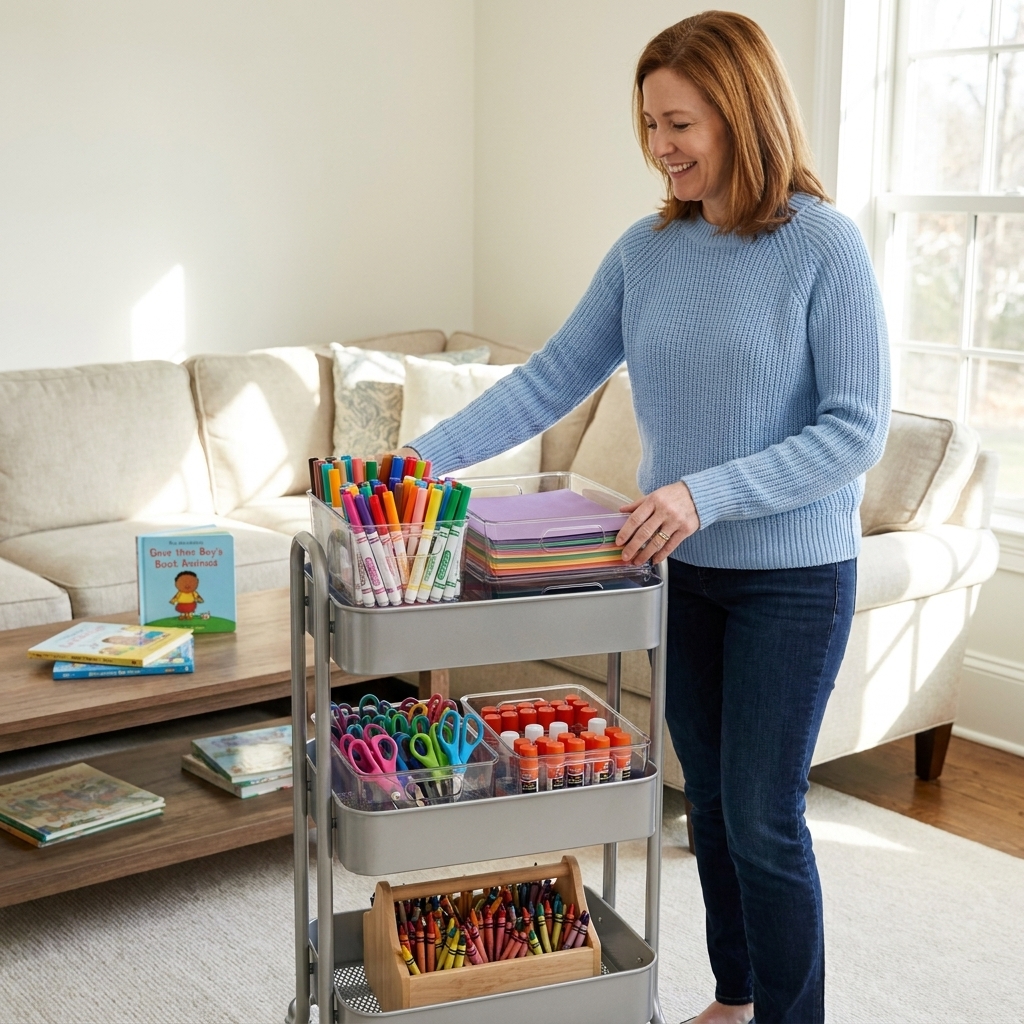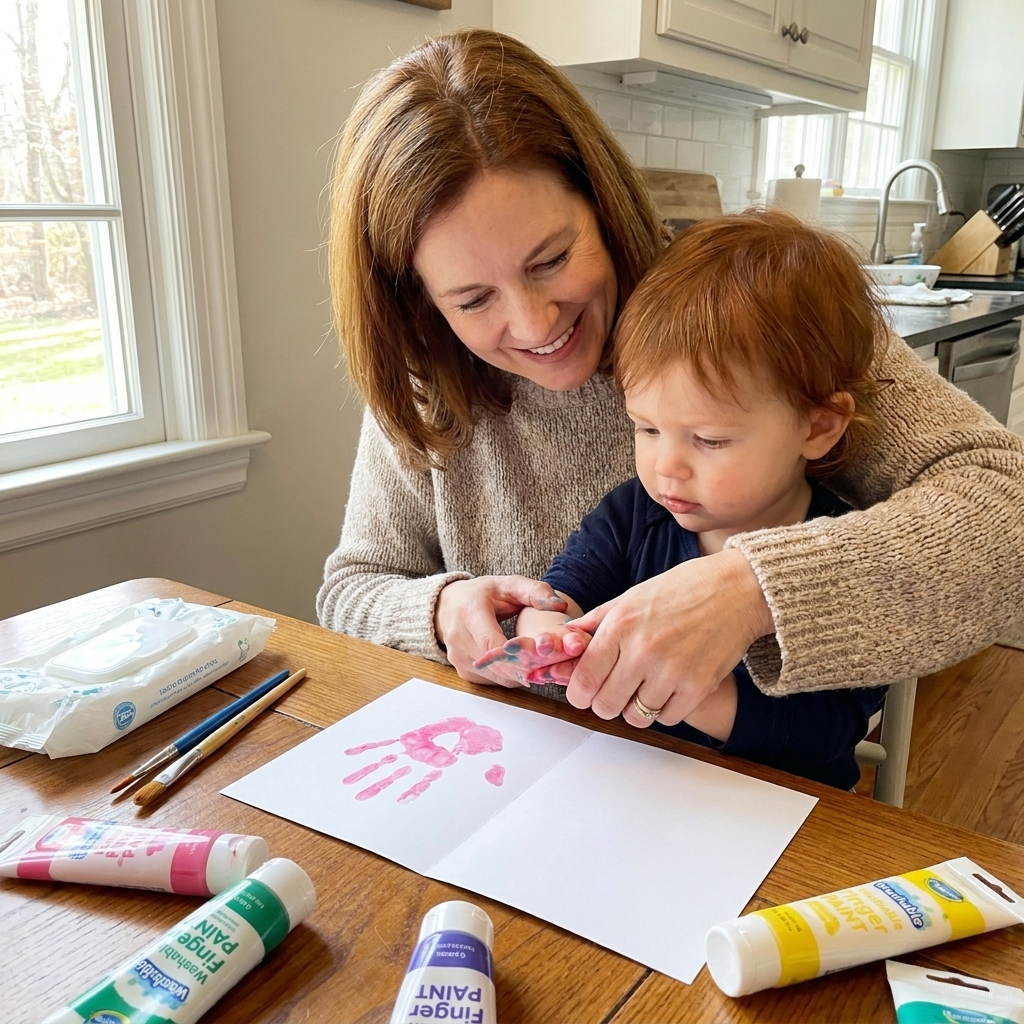
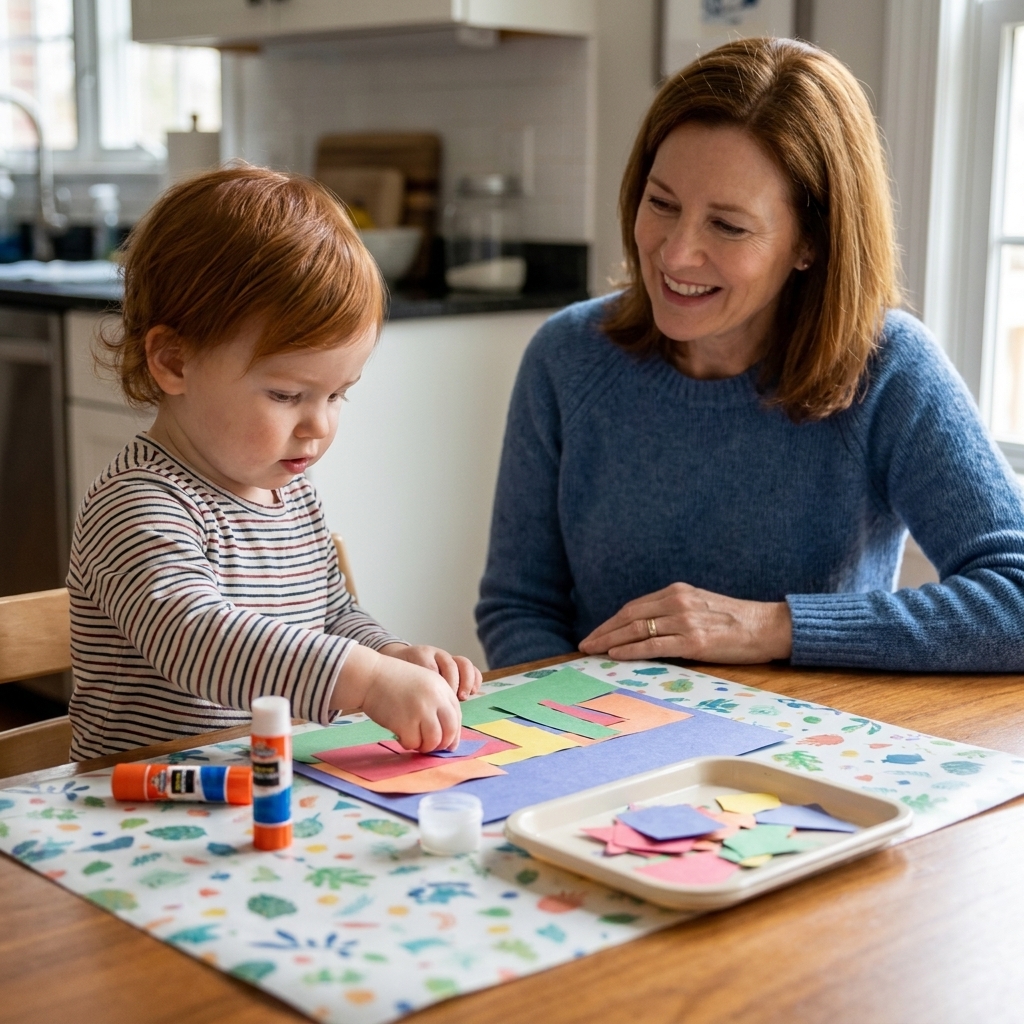
A realistic, parent-friendly guide to toddler crafts: low-mess setup, easy materials, and simple ideas that keep little hands busy without wrecking your house.
In my house, “washable” is not a cute bonus feature. It is a lifestyle. Between a 3-year-old who loves full-arm paint jobs, a 6-year-old who invents new “color mixing recipes,” and an 8-year-old who wants everything to look like a real poster, we go through washable paints and markers like they are pantry staples.
If you are standing in the art aisle wondering which one to grab for everyday crafting, here is my honest take on vibrancy, ease of use, and cleanup, plus exactly when I reach for paints and when I hand over markers instead.
The quick answer
- Choose washable markers for quick crafts, travel, card-making, writing, outlining, and anytime you want minimal mess and fast setup.
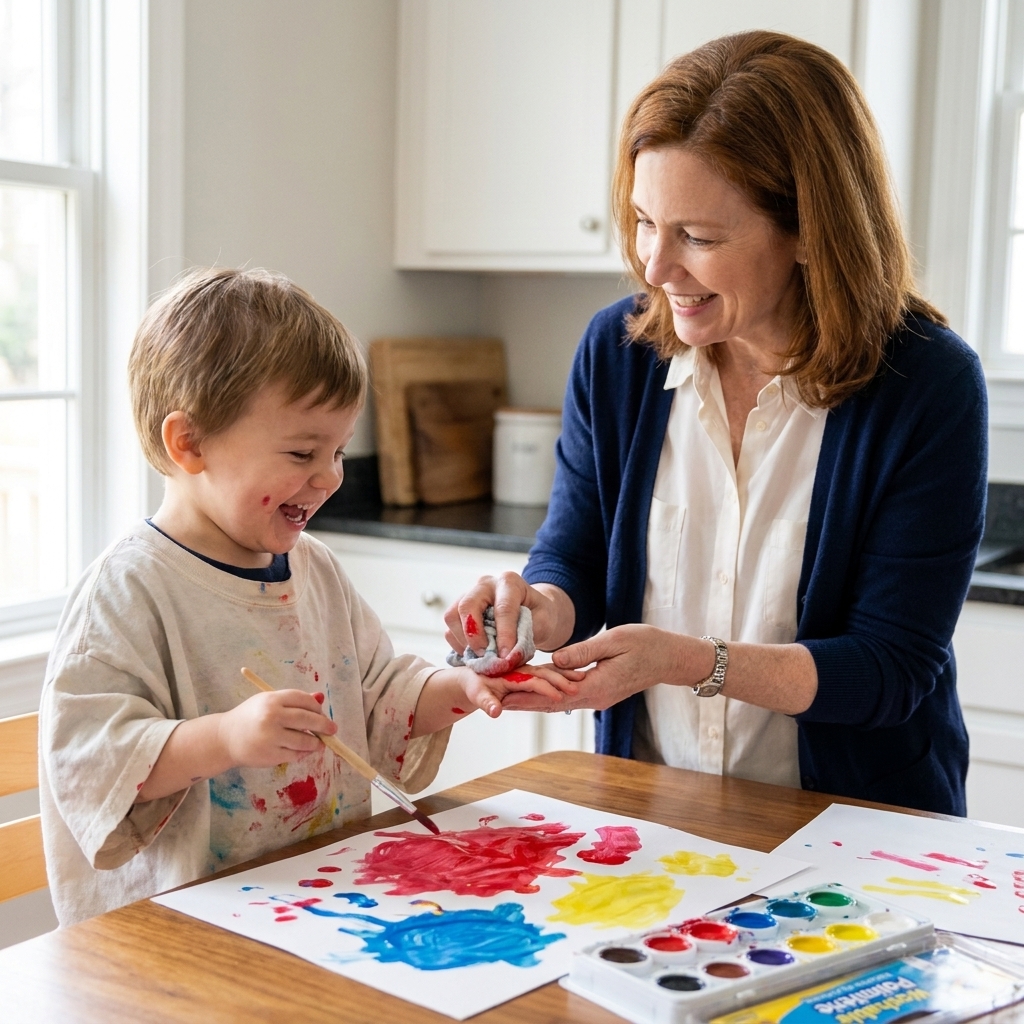
- Choose washable paints for sensory play, big color coverage, stamping, texture, and projects where “process over perfection” is the whole point.
- Keep both if you can. Markers handle the details. Paints bring the wow factor.
What “washable” means
Most mainstream kids brands labeled “washable” are formulated to rinse from skin and to launder out of many everyday fabrics. The key word there is “many.” Results can vary a lot by brand, pigment, fabric type (cotton vs. synthetics), water temperature, and whether the stain got heat-set in the dryer.
Washable is not the same as stain-proof. A few realities from the trenches:
- Time matters. The faster you rinse or blot, the better your odds.
- Surfaces matter. Sealed tables wipe clean. Unfinished wood and porous grout love to “collect memories.”
- Some colors cling. In my experience, darker or more saturated shades can be more persistent than pastels.
- Laundry is not magic. “Washable” still prefers a cold water rinse first, then wash, and skip the dryer until you know it is out.
If you are working near nicer clothes, toss on an old T-shirt or smock anyway. I say this with love and with experience.
One more sanity-saving step: when in doubt, test a dab on a hidden spot of fabric or a small corner of the surface first. Not every “washable” label performs the same on every material.
Paints vs. markers
1) Vibrancy and coverage
Washable paints usually win for bold, opaque color and easy coverage of large areas. A few swipes can fill a whole page, and you can layer for richer color once the first coat dries.
Washable markers can look wonderfully bright on paper, but they may streak on big areas and can soak through thinner paper. They shine when you want crisp lines and controlled color placement.
2) Ease by age
- Toddlers (2 to 3): Paint is often the most satisfying, especially finger paint or a thick washable tempera. Markers can work if they are chunky and made for little hands, but caps and pressing too hard can frustrate some toddlers.
- Preschool (4 to 5): Both are great. Markers are fabulous for quick independence. Paint builds hand strength, sensory tolerance, and creativity.
- Early elementary (6 to 8+): Markers become the daily driver for posters, comics, and school projects. Paint is still amazing for art days and anything needing texture, blending, or dramatic backgrounds.
3) Control and detail
Markers are the clear winner for outlining, lettering, drawing faces, adding patterns, and keeping the project recognizable. If your child gets upset when things “don’t look right,” markers can prevent a lot of tears.
Paint can do detail, but it requires brushes, water, and patience. For many kids, that is a learning curve. For others, it is their happy place.
4) Drying time
- Markers: Dry fast on paper. Great for kids who want to immediately cut, glue, or move on.
- Paint: Takes longer, especially thicker tempera. If your child hates waiting, plan a “drying station” or switch to paint sticks for faster results.
5) Setup and cleanup
Markers are low setup and usually low cleanup, assuming caps go back on. The most common issue I see is marker on hands, furniture, or walls because the project travels.
Paint is higher setup and higher cleanup, but it is also more contained when you prep well. Put paper on a tray, use a table cover, keep a damp cloth nearby, and accept that someone will paint their thumbnail.
6) Cost and longevity
- Markers: Convenient but can dry out if caps are left off. If your house has “cap gremlins,” factor that in.
- Paint: Bottles last a long time, especially if you portion into small cups. Paint can thicken over time, and sometimes a small amount of water can restore a workable consistency. I only do this in the amount we are using that day, not the whole bottle. If paint smells off, shows mold, or separates in a way that will not remix, it is time to toss it.
Top washable picks
There are lots of good choices, but these are the ones I see most often in classrooms, homes, and supply lists, plus what they are best at. Think of this as my “real life, actually used” shortlist, not a declaration of the one true best product.
Washable markers I reach for
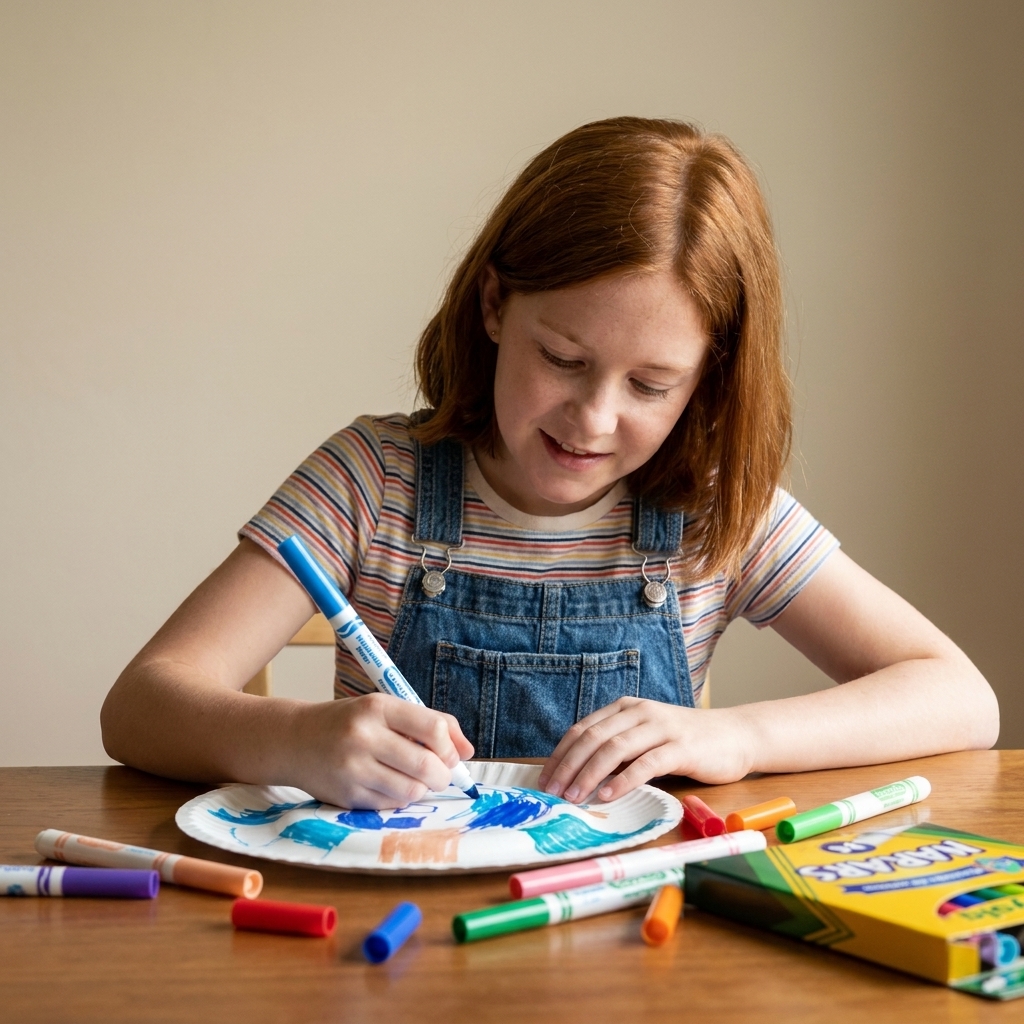
- Crayola Ultra-Clean Washable Markers: Bright color, consistent ink flow, and one of the better “washable” reputations on skin and many fabrics. Great everyday pick for drawing, school projects, and coloring.
- Crayola Pip-Squeaks Washable Markers: Shorter barrels for smaller hands, less wobble, easier control. A sweet spot for preschool and early kindergarten.
- Mr. Sketch Washable Scented Markers: Fun for older kids who like novelty. I treat these like a “special occasion” marker, not an everyday free-for-all.
Washable paints I keep stocked
- Crayola Washable Paint (Tempera): Reliable, kid-friendly color. Great for brush painting, sponge painting, and paper plate palettes.
- Crayola Washable Fingerpaint: Thicker texture for sensory play and toddlers. Less drippy than regular paint, which means fewer panic sprints to the sink.
- Melissa & Doug Washable Paint (varies by set): Often nice pigment and kid-friendly packaging. Great for gift sets and craft closets.
- Kwik Stix-style paint sticks (washable options): Not a traditional liquid paint, but worth mentioning because they feel like painting with dramatically less mess. Perfect for parents who want paint vibes without paint puddles.
Quick note on vibrancy: On most kids paper, markers look brightest at first. Paint often looks richest once dry and layered. If you are using thicker paper or cardstock, both perform better.
Cleanup
Skin
Markers: Usually wash off with soap and warm water, but darker colors can linger in fingerprints. A bit of baby oil or coconut oil can help lift stubborn marker, then wash again with soap.
Paint: Washes off well if it is truly washable kids paint. Fingerpaint can take a little longer because it is thicker, but it typically comes off in a bath without drama.
Clothes
Markers: Can be hit-or-miss depending on fabric and how long it sat. Rinse from the back of the stain with cold water, then wash. Do not dry until you are sure it is out.
Paint: Fresh paint rinses well. Dried paint is harder, so soak and pretreat. Again, skip the dryer until the stain is gone.
Tables and hard surfaces
Markers: Great if they stay on paper. If they wander, wipe quickly with a damp cloth. For stubborn marks on sealed surfaces, a little dish soap helps.
Paint: Wipes up easily when wet. If it dries, warm water usually softens it enough to scrub with a sponge. Table covers and trays make paint cleanup feel very manageable.
Tricky surfaces to treat gently
- Painted walls, finished wood, and laminate: Start with mild soap and water. Scrubbing hard can dull the finish, even if the color comes off.
- Unfinished wood, grout, and upholstery: These can stain because they are porous. Test a small hidden area first and manage expectations.
- Magic erasers: They work, but they are basically very fine sandpaper. They can remove paint or sheen right along with the marker.
Car rides and restaurants
This is where markers usually win by a mile. Paint and moving vehicles do not mix, unless you enjoy living on the edge.
Best uses
Use washable markers for
- Coloring pages, doodles, and drawing practice
- Homemade cards and gift tags
- Homework posters and school projects
- Outlining shapes for cutting
- Adding faces and fine details to painted crafts
- On-the-go creativity kits
Use washable paints for
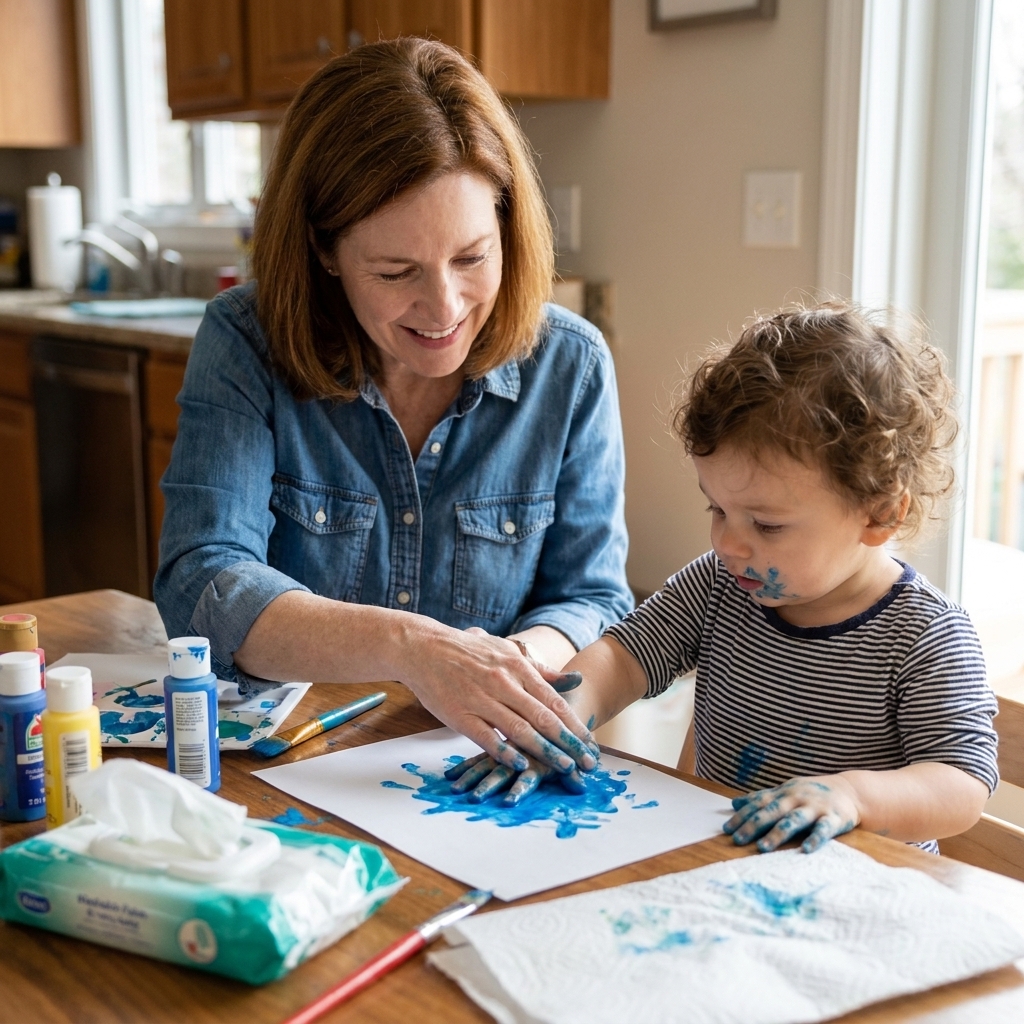
- Handprint and footprint keepsakes
- Seasonal crafts like pumpkins, hearts, eggs, and snowflakes
- Sponge painting and stamping
- Process art and sensory play days
- Big background washes for landscapes and skies
- Painting cardboard, paper bags, and egg cartons
Real life picks
Toddlers who put everything everywhere
Start with washable fingerpaint and a short marker set designed for little hands. Use paint in a high chair tray or in the bathtub for low-stress experimenting.
Multiple ages crafting together
Set out markers for the big kids and paint for the littles. Then everyone can meet in the middle with a shared project, like a giant mural paper where big kids add details and little kids paint the background.
You hate mess but want paint
Try washable paint sticks or put small amounts of paint into an ice cube tray and hand out one color at a time. My hot glue gun may be holding the house together, but my sanity is held together by portion control.
Most vibrant on a budget
Buy one solid set of washable tempera paint in primary colors and white. You can mix almost anything. Add a pack of washable markers for outlines and writing. That combo covers 90 percent of everyday crafts.
Make them behave
- Use the right paper. Thin printer paper is fine for quick doodles, but it bleeds with markers and warps with paint. For posters and marker-heavy projects, go for cardstock or thicker drawing paper. For paint-heavy days, mixed-media paper holds up better and stays flatter.
- Teach the cap check. Markers last longer when caps click shut. Make it part of cleanup.
- Set a timer for paint. A five-minute “last call” helps kids finish before everything dries on the brush.
- Keep a damp cloth at the table. You will feel like a crafting superhero.
- Rotate colors. Too many options can overwhelm. Put out a few colors, swap as needed.
Safety notes
- Look for the ACMI AP Certified (non-toxic) seal on art supplies.
- Supervise young kids closely, especially under 3. Follow age labels and watch for small parts like caps.
- For toddlers and preschoolers, choose chunky markers when possible.
- Paint and markers are not snacks, even if they smell like fruit.
- If you have a wall-drawing phase happening, keep supplies in a bin that lives up high and comes down for supervised craft time.
- If you are using strong-scented markers, crack a window or craft in a well-ventilated space.
FAQs
Which is easier to get out of clothes?
In my experience, fresh paint rinses out more predictably, while markers can be more variable depending on the fabric and how long the ink sat. With either one, rinse with cold water first and do not use the dryer until the stain is gone.
Do washable markers work on cardboard?
They do, but cardboard soaks up ink quickly. Colors can look a little dull and tips can fray. For cardboard builds, I prefer paint for coverage and markers for details.
What about tube paints?
Tube paints can be vibrant, but “water-based” does not always mean “washable.” Many acrylic-style paints clean up with water when wet, but are not washable once dry. If easy cleanup is your top priority, stick with products clearly labeled washable and intended for kids.
Can I use markers over dried paint?
Yes, and it is one of my favorite combos. Let the paint dry fully, then add outlines, patterns, and faces with markers. It instantly makes kid art feel more finished without pressuring kids to paint perfectly.
Bottom line
If you want the easiest everyday craft supply, go with washable markers. If you want the biggest creative payoff, go with washable paints. And if you can swing it, keep both and use them like a tag team: paint for bold backgrounds and sensory fun, markers for details and quick wins.
Because truly, the goal is not a flawless final product. The goal is kids who feel brave enough to make something, mess and all.