Fifteen simple sensory bins using pantry staples and everyday tools to strengthen toddler pincer grasp, scooping, pouring, and hand-eye coordination, without...
If your preschooler is anything like mine, they can spot a cookie from across the house but magically “forget” what letter comes after M. Totally normal. The good news is that letters stick best when little hands are busy and the pressure is low. These activities are designed for real life: minimal prep, flexible for mixed ages, and forgiving if your kitchen table is already wearing yesterday’s glitter.
Before you start: quick tips that help
- Pick 3 to 5 letters to focus on. Start with letters in your child’s name, then add a few common consonants like M, S, T, P. I also like adding one vowel early (A or E) because it helps you build more simple sounds and words.
- Say the sound more than the letter name. Focusing on sounds can help later with decoding because reading is really about matching letters to sounds.
- Use big movements first. Sky-writing, tracing in salt, painting with water. Big motor skills help lock in memory.
- Keep it short. Five minutes of happy practice beats twenty minutes of frustration.
- One right answer is not the goal. The goal is noticing letters, talking about sounds, and building confidence. And for the record, you do not need perfect letter formation in preschool. Consistent exposure beats perfect penmanship.
- Start with consistent sounds first. Letters like C and G, plus most vowels, can make more than one sound. That is fine, just start with the most common sound and save the “sometimes it says…” conversation for later.
20 hands-on alphabet activities
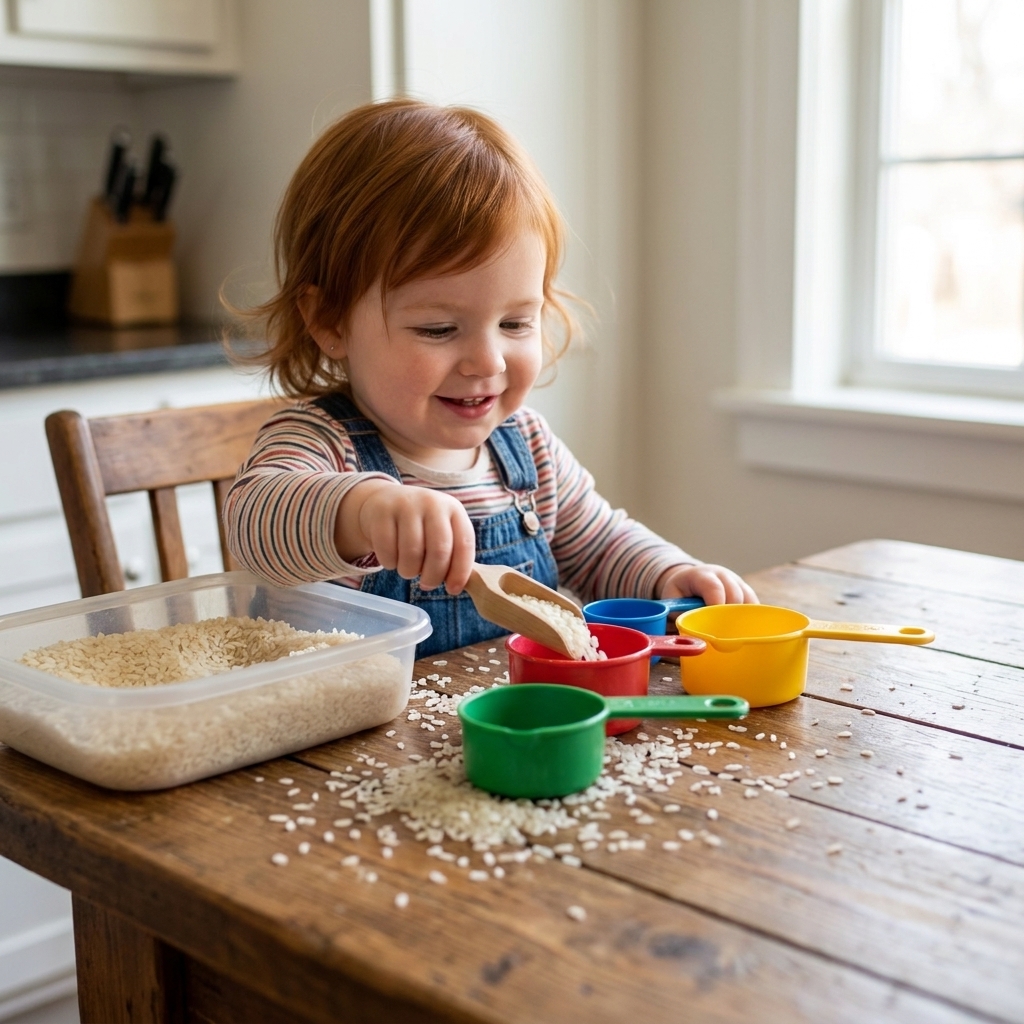
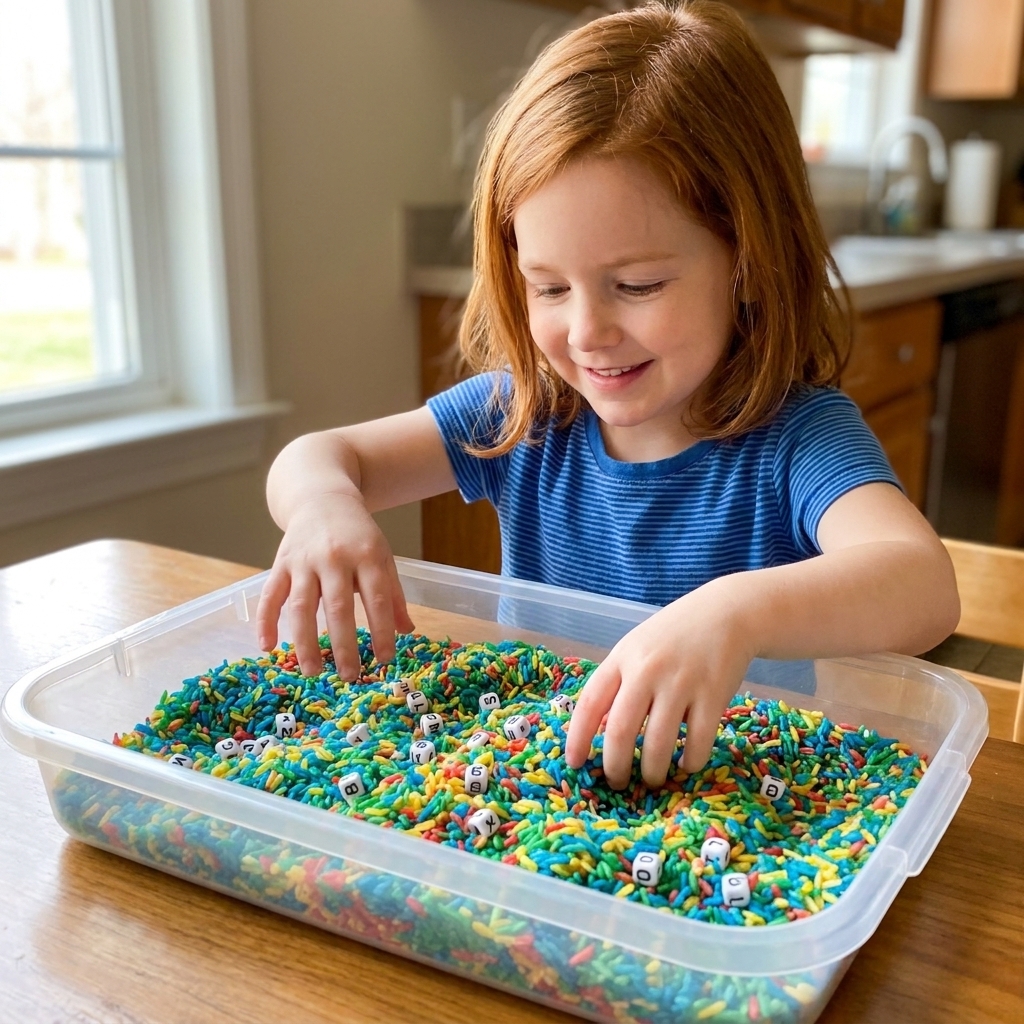
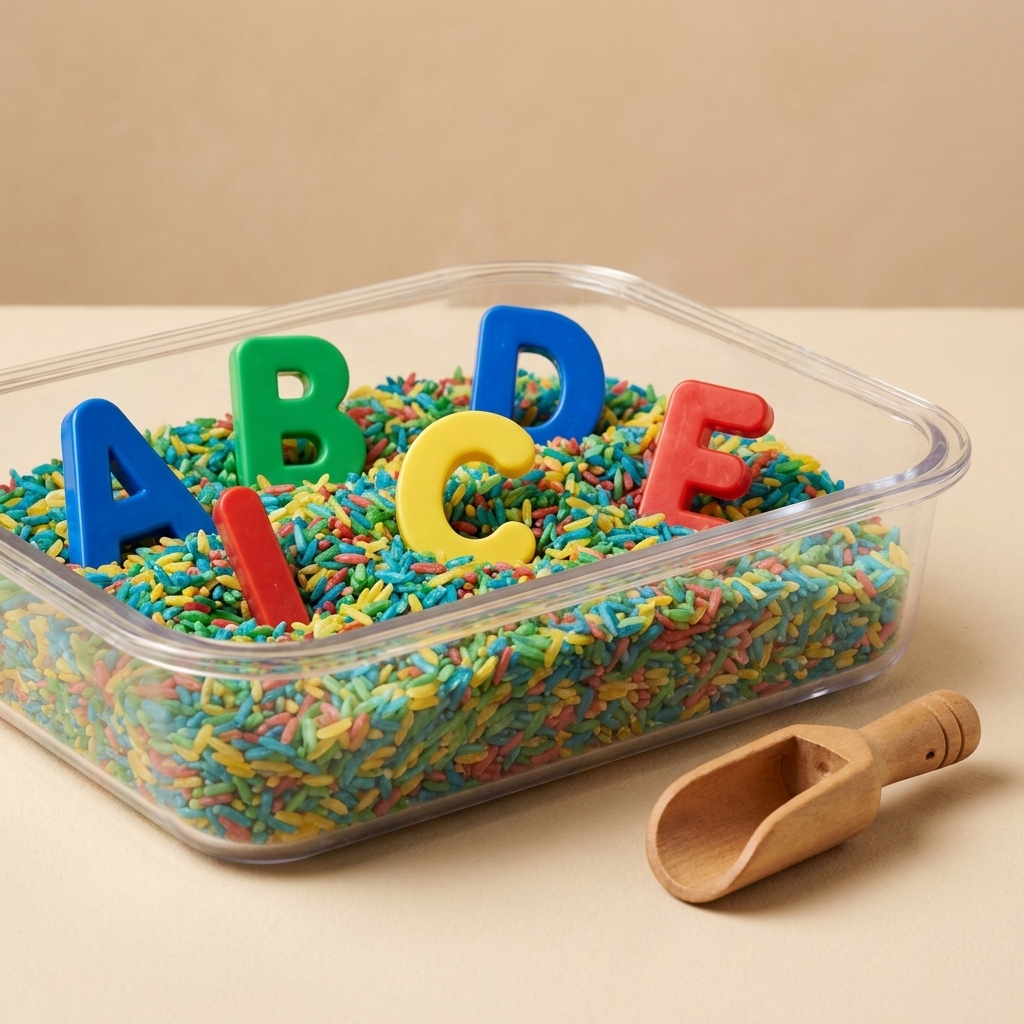
1) Sensory bin letter hunt
What you need: Bin, filler (rice, beans, kinetic sand, shredded paper), plastic letters or foam letters, scoop or spoon.
How to do it: Hide letters in the bin. Kids dig, find one, say the letter name, then say the sound the letter makes and a word that starts with that sound.
Make it easier: Start with 3 letters and use uppercase only.
Make it harder: Add picture cards and match the beginning sound to the letter.
Safety note: If you are using small letters, beans, or rice, supervise closely. Skip small parts for kids who still mouth objects.
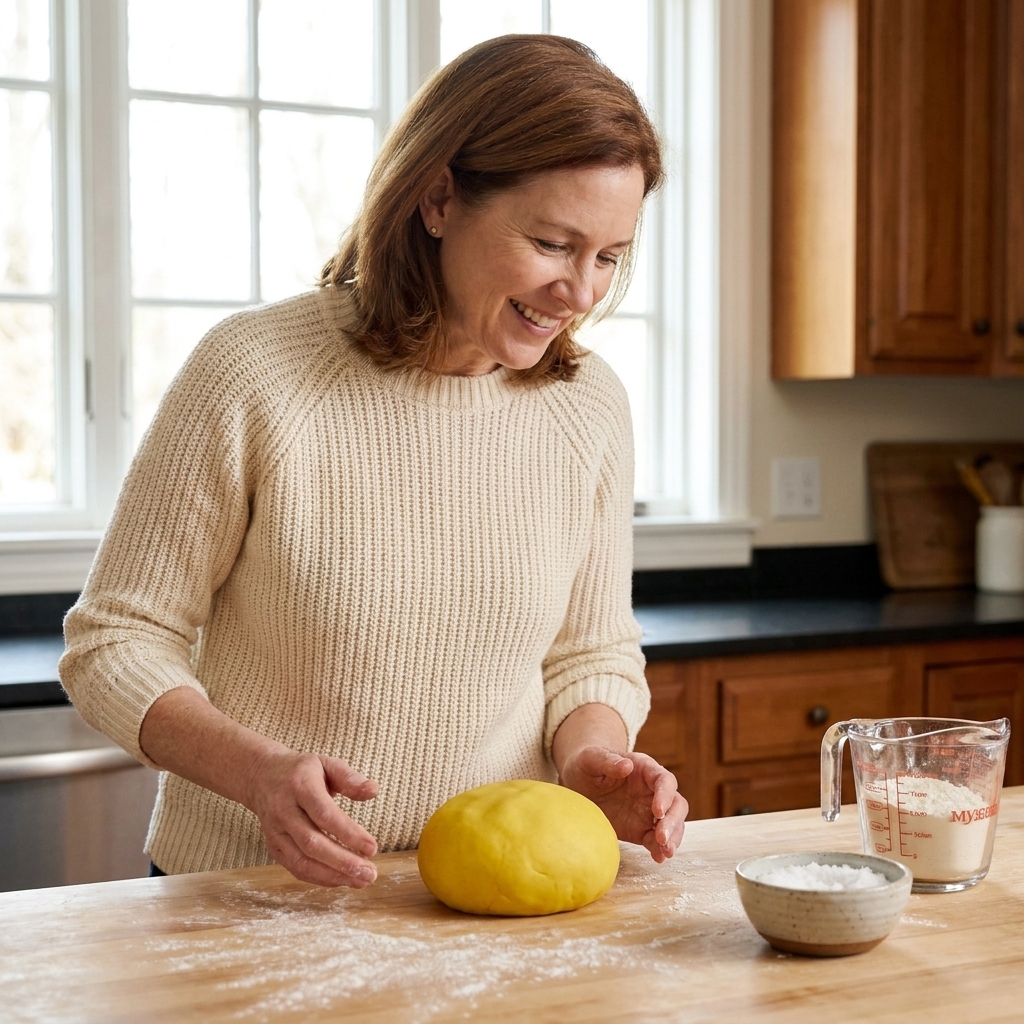
2) Alphabet playdough mats
What you need: Playdough, printed letter outlines or hand-drawn letters on cardstock, optional beads or buttons.
How to do it: Roll dough “snakes” and build the letter on top of the outline. Say the letter sound as you form it.
Troubleshooting: If the dough keeps breaking, warm it in hands for 30 seconds or add a tiny drop of oil.
Safety note: If you add beads or buttons, treat them like any other small part and supervise closely.
3) Salt tray letter writing
What you need: Tray or baking sheet, salt (or sugar), paintbrush or finger.
How to do it: Smooth the salt, then write a letter with a finger. Shake to erase and try again.
Teacher trick: Say “Start at the top” for most uppercase letters (except ones like O). Directionality matters more than perfection.
Cleanup tip: Put the tray on a towel or sheet pan. It catches the “oops” spills.
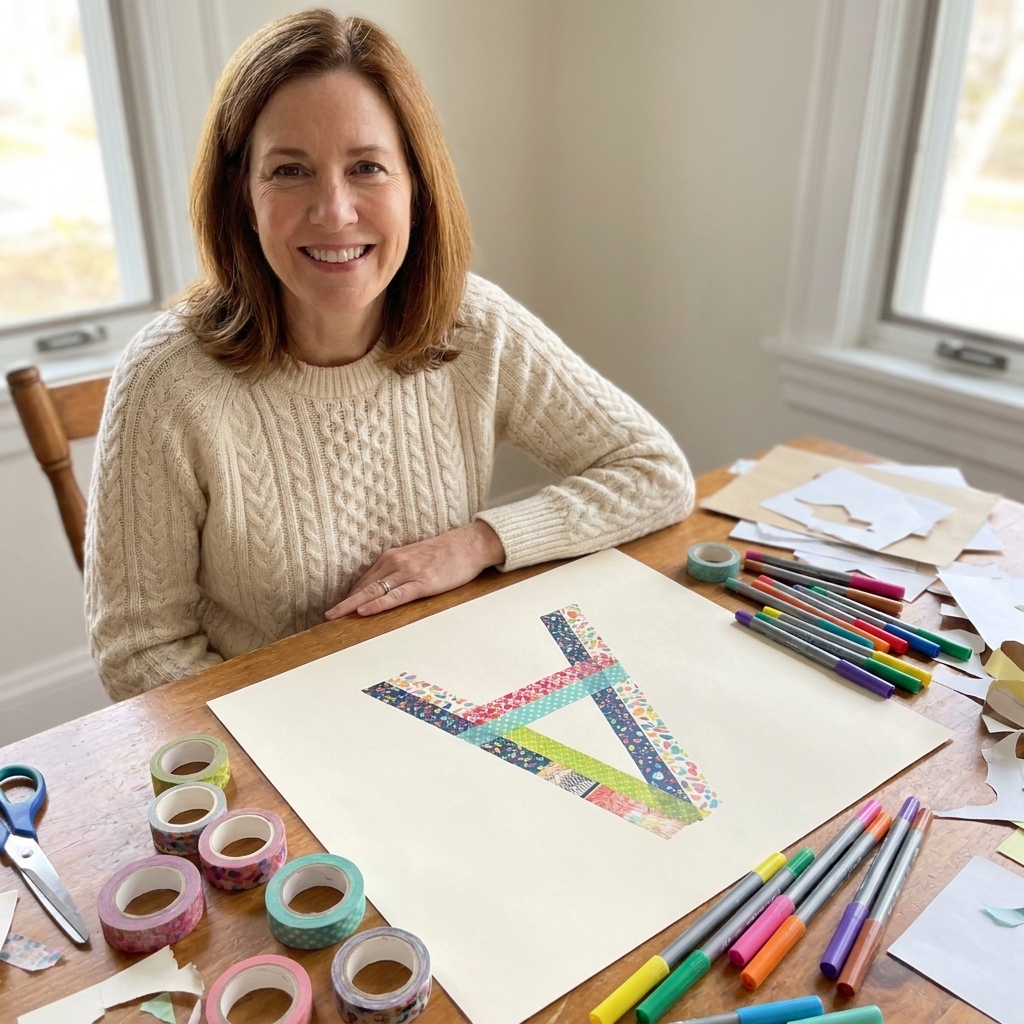
4) Tape letter roads
What you need: Painter’s tape or washi tape, paper, markers or paint, toy cars optional.
How to do it: Use tape to form a big letter. Kids color or paint over it, then peel the tape to reveal the letter. Drive cars along the letter “road” while saying the sound.
Mom confession: My house is held together by hot glue and washi tape, so this one feels spiritually on brand.
5) ABC sticker path
What you need: Dot stickers, paper, marker.
How to do it: Draw a letter outline with a thick marker. Kids place dot stickers along the line to “build” the letter.
Skill boost: Great for fine motor control and pencil grip readiness.
6) Letter-sound mystery bag
What you need: Small bag, 5 to 10 tiny objects (pom-pom, button, toy cat, key, leaf).
How to do it: Pull an item, name it, then match it to a letter card by beginning sound.
Tip: For tricky sounds, stretch the first sound slowly: “sssssock.”
Safety note: Use larger objects if your child is under 3 or still mouths items.
7) Alphabet sponge painting
What you need: Sponges, scissors, clothespins (optional handles), paint, paper.
How to do it: Cut sponges into simple letter shapes (start with L, T, I, O). Clip to clothespins and stamp.
Low-mess option: Put paint on a paper plate and dab lightly.
8) Shaving cream letter squish
What you need: Shaving cream, table tray or washable surface, optional food coloring.
How to do it: Spread a thin layer and “write” letters with fingers. Wipe clean with a damp cloth.
Safety note: Supervise closely and avoid if your child tends to taste sensory materials.
Cleanup tip: A plastic placemat or sheet pan underneath saves your table.
9) Alphabet bean bag toss
What you need: Paper plates or sticky notes, marker, bean bags or rolled socks.
How to do it: Label targets with letters. Call out a letter or sound and toss to match.
For siblings: My 8-year-old likes being the “caller” for my 3-year-old.
10) DIY letter puzzles
What you need: Empty cereal box or cardstock, marker, scissors.
How to do it: Draw a big letter and cut it into 3 to 5 chunky pieces. Kids assemble it like a puzzle.
Bonus: On the back, draw items that start with that letter sound.
11) Alphabet dot marker letters
What you need: Dot markers (or cotton balls and paint), paper with big letters.
How to do it: Kids stamp along the letter shape.
Make it phonics-friendly: Pair each letter with one anchor word you repeat often, like “M says /m/ like moon.”
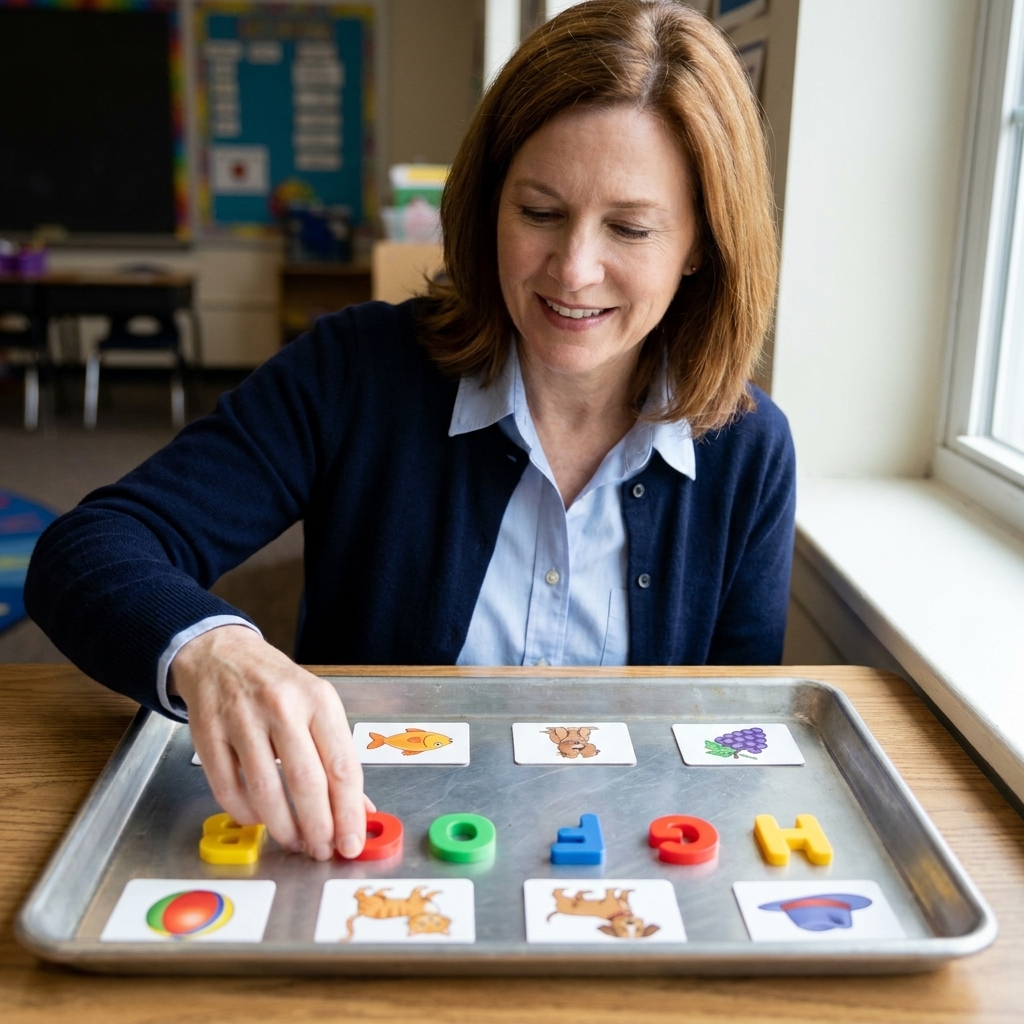
12) Magnetic letter sound sorting
What you need: Magnetic letters, cookie sheet, picture cutouts (or draw quick doodles).
How to do it: Put 2 to 4 letters on the tray. Sort pictures under the correct beginning sound.
Tip: Start with very different sounds: M, S, T, P rather than B and P together.
13) Alphabet water painting
What you need: Cup of water, paintbrush, sidewalk or construction paper.
How to do it: Paint letters with water. They appear dark, then fade as they dry, ready to redo.
Great for: Kids who want to paint everything, always.
Real-life note: This is low-mess, but paper can warp. Sidewalks, fences, and decks are the easiest “canvas.”
14) Letter tracing in sand
What you need: A stick and a sandy spot.
How to do it: Draw big letters in the sand. Walk the letter with feet while saying the sound.
Movement add-on: “Jump the dots” on i and j.
15) Alphabet scavenger hunt
What you need: Sticky notes or paper squares with letters.
How to do it: Hide letters around one room. Find a letter, then find something that starts with that sound.
Make it calmer: Tape letters to the wall at kid height instead of hiding.
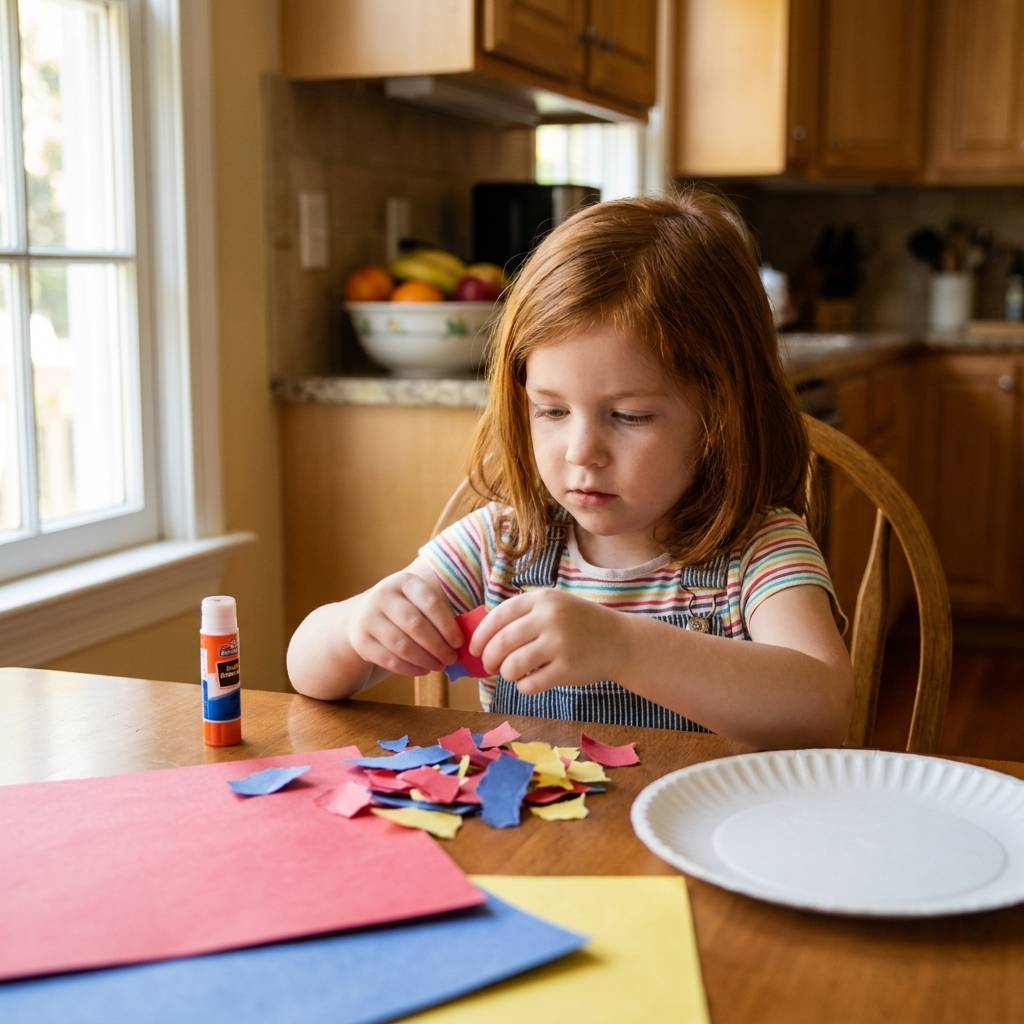
16) Q-tip letter building
What you need: Q-tips or cut straws, glue stick, paper.
How to do it: Kids build letters using straight “sticks.” Best for letters like E, F, H, K, L, M, N, T.
Fine motor win: Great pincer practice for preschool hands.
Safety note: Supervise if your child still puts small items in their mouth.
17) Yarn letters with glue
What you need: Yarn, glue, paper with letter outline.
How to do it: Trace the letter line with glue, then press yarn onto it.
Less frustration: Cut yarn into shorter pieces for toddlers and younger preschoolers.
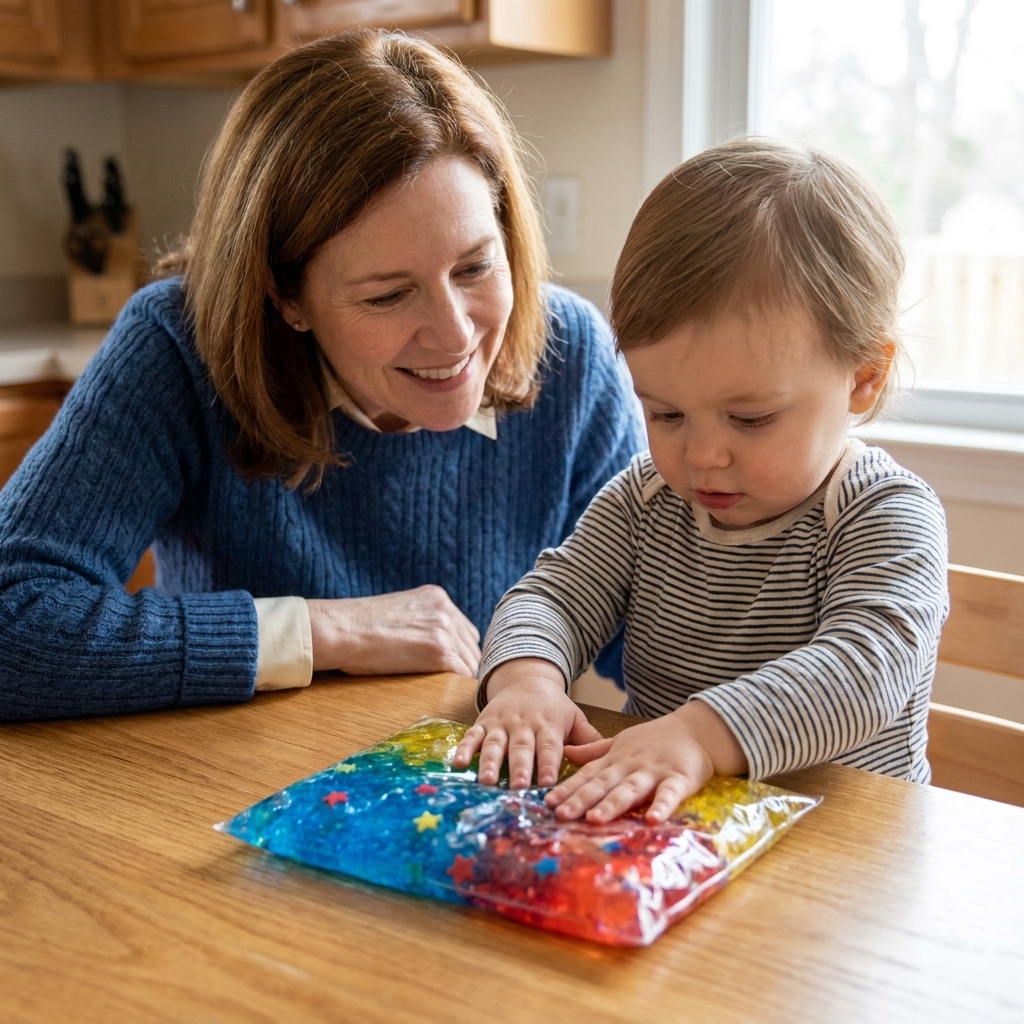
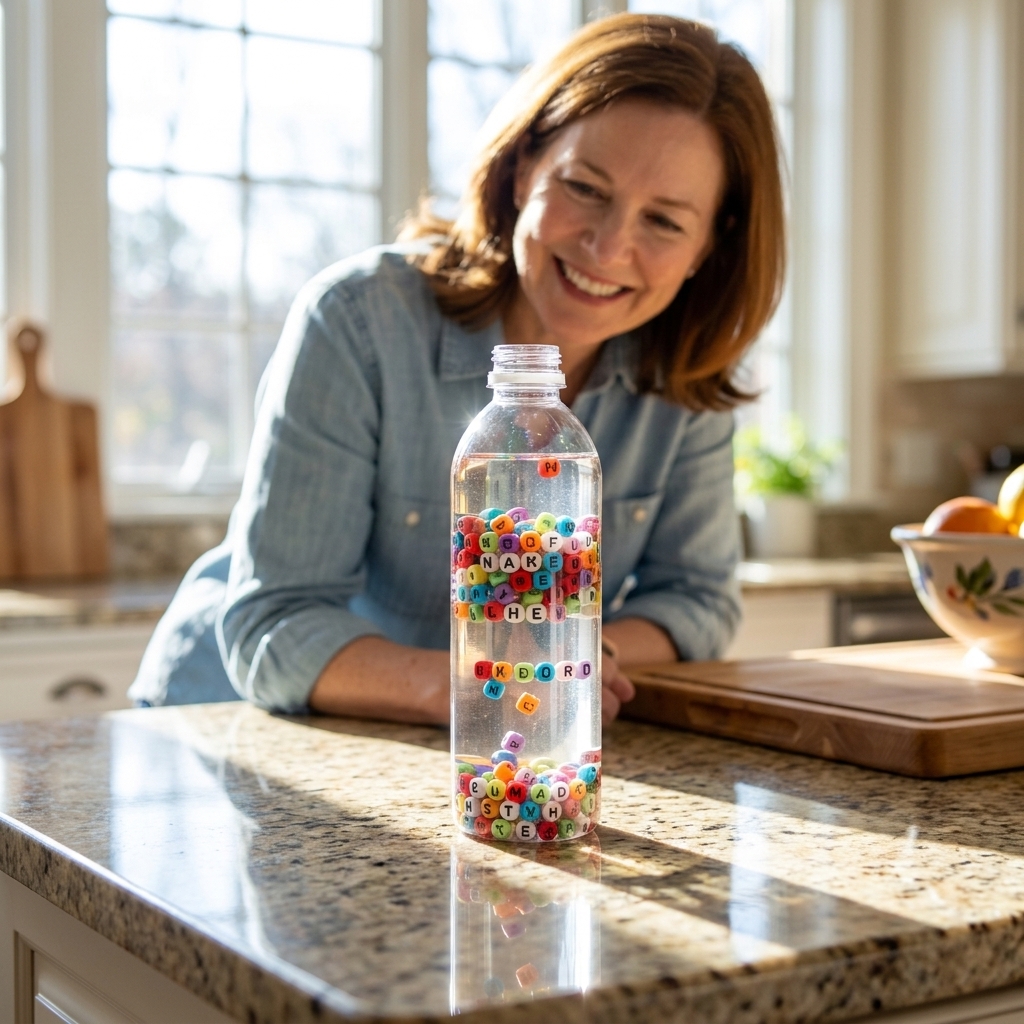
18) Alphabet sensory bottles
What you need: Clear plastic bottle, water or rice, glitter optional, small letter beads or tiny foam letters.
How to do it: Add letters, seal tightly, then shake and search. Call out a letter and see who finds it first.
Safety note: Seal the lid with strong tape (and hot glue if you have it). Check it regularly and re-seal if it loosens.
19) Letter books with family photos
What you need: Small photo prints, paper, stapler, marker.
How to do it: Make a tiny “A book” with pictures of things your child loves that start with A (or close enough). Repeat for a few key letters.
Why it works: Familiar images make letters feel meaningful, not random.
20) Sound jump game
What you need: Painter’s tape lines on the floor or just open space.
How to do it: Say a letter sound and a few words. If the word starts with that sound, jump. If not, freeze.
Example: “/m/… moon!” jump. “/m/… sock!” freeze.
Simple supply list
- Painter’s tape or washi tape
- Playdough
- Salt or sugar for trays
- Dot stickers
- Markers, crayons, or washable paint
- Magnetic letters or foam letters
- Old cereal boxes and cardstock
- Q-tips, yarn, sponges
- One shallow bin for sensory play
Reminder: You do not need a rainbow craft cart. You need a “miscellaneous drawer” and a little willingness to let the process be the point.
Pick by age
Age 2 to 3
- Focus on noticing letters and hearing sounds.
- Try: sticker path, water painting, letter hunt with big chunky letters.
- Keep it to 3 letters at a time and skip small parts.
Age 4
- Work on naming letters and matching some beginning sounds.
- Try: playdough mats, magnetic sorting with 2 to 3 letters, salt tray writing.
Age 5
- Work on consistent letter-sound connections and simple blending practice.
- Try: sound jump game, picture sorting, letter puzzles with more pieces.
FAQ
How long does it take to learn the alphabet?
It varies a lot. Many kids learn letter names between ages 3 and 5, especially when letters show up naturally in play. If your child knows some letters and is curious, you are on track.
Should I teach uppercase or lowercase first?
There is no single best order. I often start with uppercase because many kids find the shapes easier to form, then I bring in lowercase quickly since it shows up more in books. A gentle mix is fine.
What if my child mixes up b and d (or p and q)?
So common, and not a red flag by itself in preschool. Use hands-on practice with big movements and give it time. You can also pair letters with a consistent cue like forming b with a “bat and ball” motion.
How can I teach phonics without worksheets?
Use quick sound games: sort tiny objects by beginning sound, play the sound jump game, or do a sensory bin hunt where each found letter needs a sound and a word.
One last thing
If an activity flops, it is not a failure. It is data. Swap the sensory base, shorten the time, or let your child be the “teacher.” The goal is a happy connection with letters that grows over time.
Save this list, pick two activities to try this week, and give yourself permission to keep it simple. The ABCs will come. The memories show up faster.