A foolproof no-cook playdough recipe that stays soft with simple pantry ingredients. Includes kid-friendly coloring tips, storage guidance, and quick trouble...
If my house had a motto, it would be: “If it can be squished, it will be squished.” Between my 3-year-old who wants to poke everything, my 6-year-old who builds tiny worlds, and my 8-year-old who loves detailed creations, we have put both kinetic sand and playdough through serious, real-life testing. Spoiler: there is no one “best.” There is only “best for your child’s sensory needs today.”
Let’s break it down in a way that feels doable, not Pinterest-perfect.
Quick take
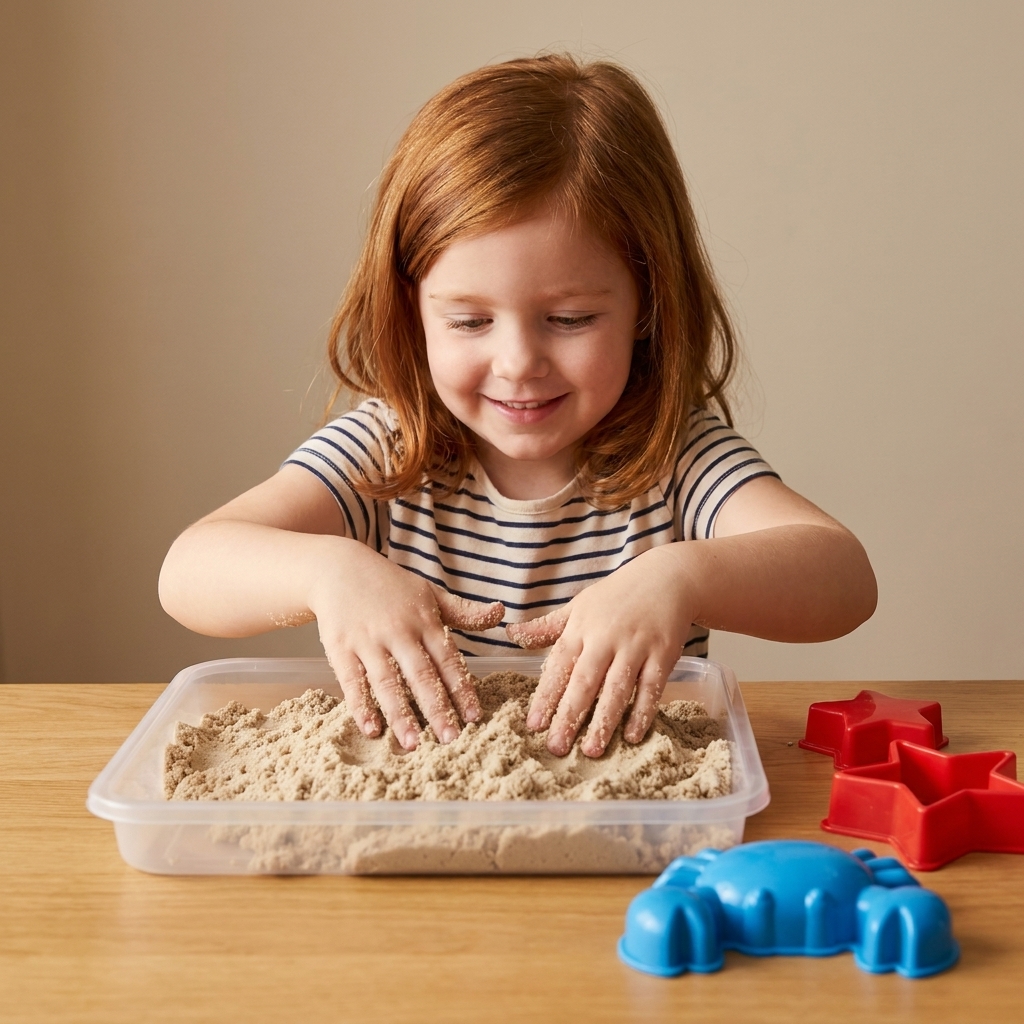
Kinetic sand is crumbly, moldable sand that sticks to itself more than to you. For many kids, it can feel satisfying and calming because it offers consistent feedback without being sticky.
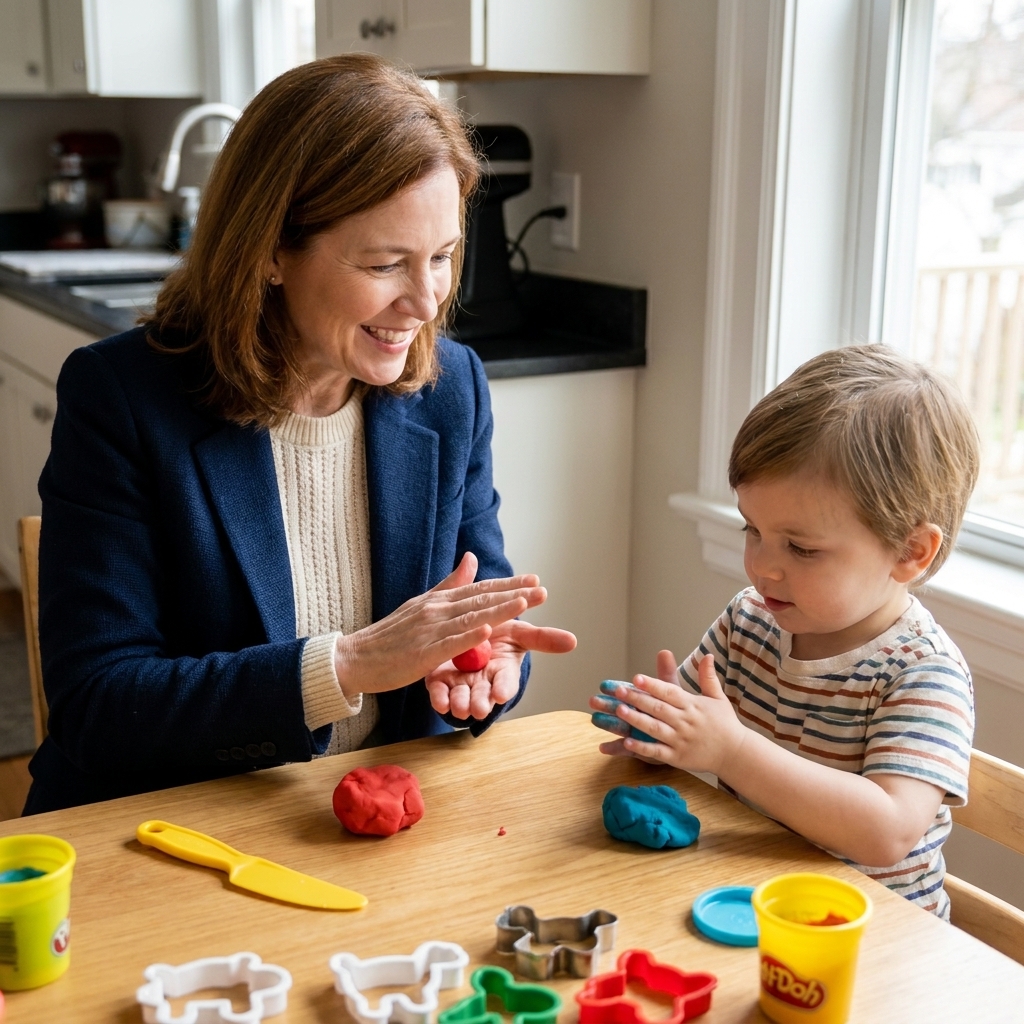
Playdough is soft, stretchy, and responsive. For many kids, it can be a comforting “squish and roll” material and a sneaky way to work on hand strength.
- If your child seeks pressure or “heavier” sensory input: kinetic sand often wins.
- If your child needs fine-motor and hand strength practice: playdough often wins.
- If you want the easiest cleanup: it depends on your floors and your child’s habits, and we will get to that.
Decision shortcut
- Builder + bins + scoops: start with kinetic sand.
- Little hands that need strength: start with playdough.
- Mess stress is high: start with playdough at the table, one color, on a mat.
Sensory needs
Kinetic sand feel
Kinetic sand has a unique texture: cool, slightly dense, and it flows in slow motion when you crumble it. Many kids find it calming, especially if they prefer dry textures or dislike stickiness.
- Great for: kids who like dry textures, kids who love scooping and pouring, kids who enjoy repetitive “slice and crumble” actions.
- Can be tricky for: kids who dislike gritty textures, kids who still mouth materials, and kids who scatter when they play.
Playdough feel
Playdough is soft, warms quickly in the hands, and offers stretchy resistance. For some kids, that steady resistance can help them settle during listening, waiting, or transitions.
- Great for: kids who like squishy textures, kids who benefit from hand work to calm their bodies, kids who love pretend play and making characters and food.
- Can be tricky for: kids who dislike sticky sensations, kids sensitive to scents, and kids who cannot resist mixing every color into “mystery brown.”
Teacher-mom note: If your child melts down after messy play, start with a “clean hands” tool like a rolling pin, spoon, or mini construction vehicles. You can build tolerance slowly without forcing bare-hand play.
Development benefits
Fine-motor and strength
Playdough is the hand-strength champion. Pinching, rolling, squeezing, cutting, and pulling are basically a hand workout disguised as fun. That strength can support pencil grip, scissor skills, and buttoning clothes.
Kinetic sand still supports fine-motor skills through squeezing molds, packing, smoothing, stamping, and controlled pouring. It is often less “resistance training” than dough, but still very useful.
Creativity and play
Playdough often wins for open-ended pretend play because you can make characters, food, animals, accessories, and tiny details that hold shape well.
Kinetic sand shines for building environments: roads, construction zones, animal habitats, treasure digs, and “bakery” play with molds.
Early learning
- With kinetic sand: volume (full, empty, more, less), measuring cups, comparing containers, patterns with stamps.
- With playdough: shapes, counting “meatballs,” forming letters, making ten-frames with dough dots, symmetry with cutters.
Mess level
Kinetic sand mess
Kinetic sand is not as sticky as regular sand, but it does travel. It likes to hitchhike on sleeves, stick in socks, and collect in corners like it pays rent.
- Most common mess: grains on the floor, sand carried out of the play area, sand in carpet.
- Good news: it usually vacuums up well, and clumps often pick up smaller bits.
- Watch-outs: carpet and textured rugs, and anywhere it can get ground in.
Playdough mess
Playdough is “contained” in the sense that it is one lump, but it has a talent for getting mashed into places it should not be. It can leave residue on fabric and can dry into little crumbs if ignored.
- Most common mess: dough mashed into table grooves, stuck under fingernails, and dried bits on the floor.
- Good news: it is easy to pick up in chunks, and many dried bits scrape off hard surfaces.
- Watch-outs: upholstery, carpet, and mixing with hair or pet fur.
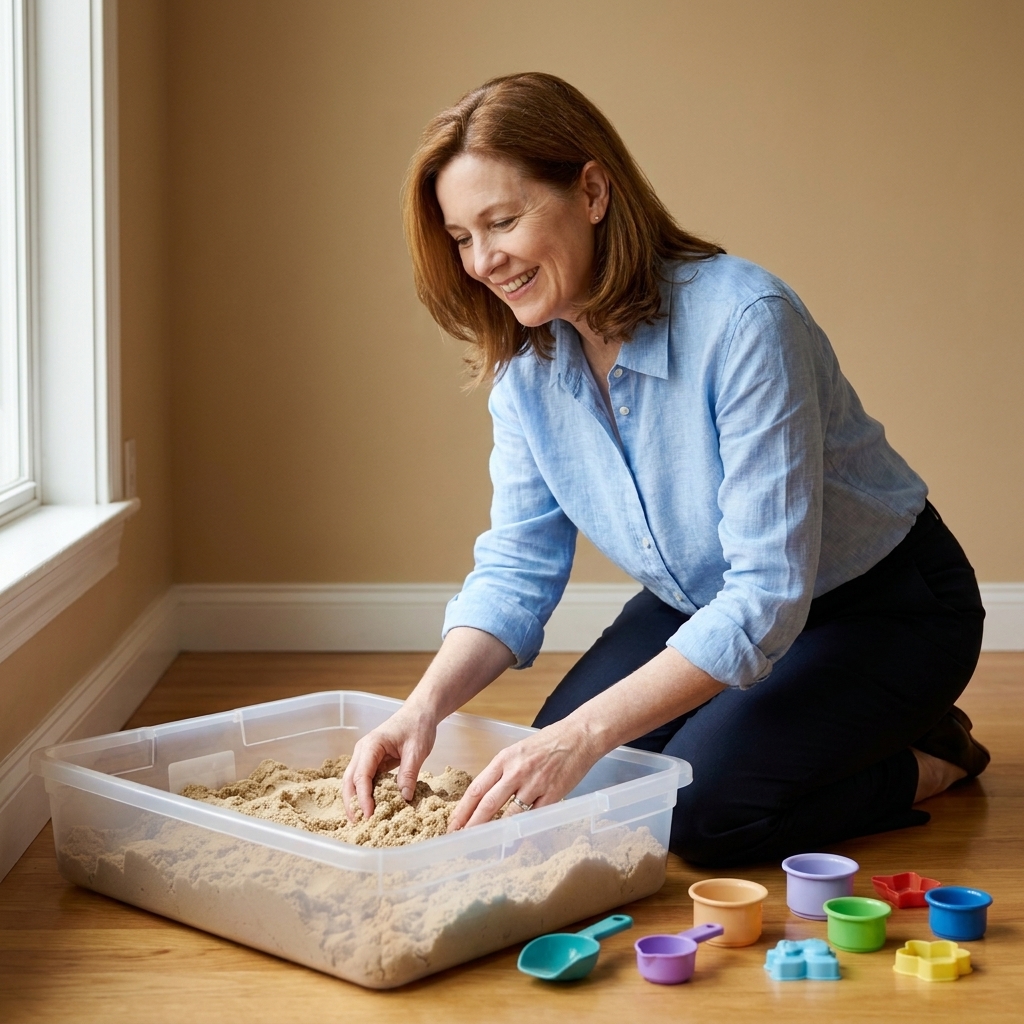
My real-life rule: If I cannot stand the thought of it ending up in the carpet that day, we do it in a tray. A shallow plastic under-bed bin is my favorite “sensory table” hack.
Ages and stages
Toddlers (2 to 3)
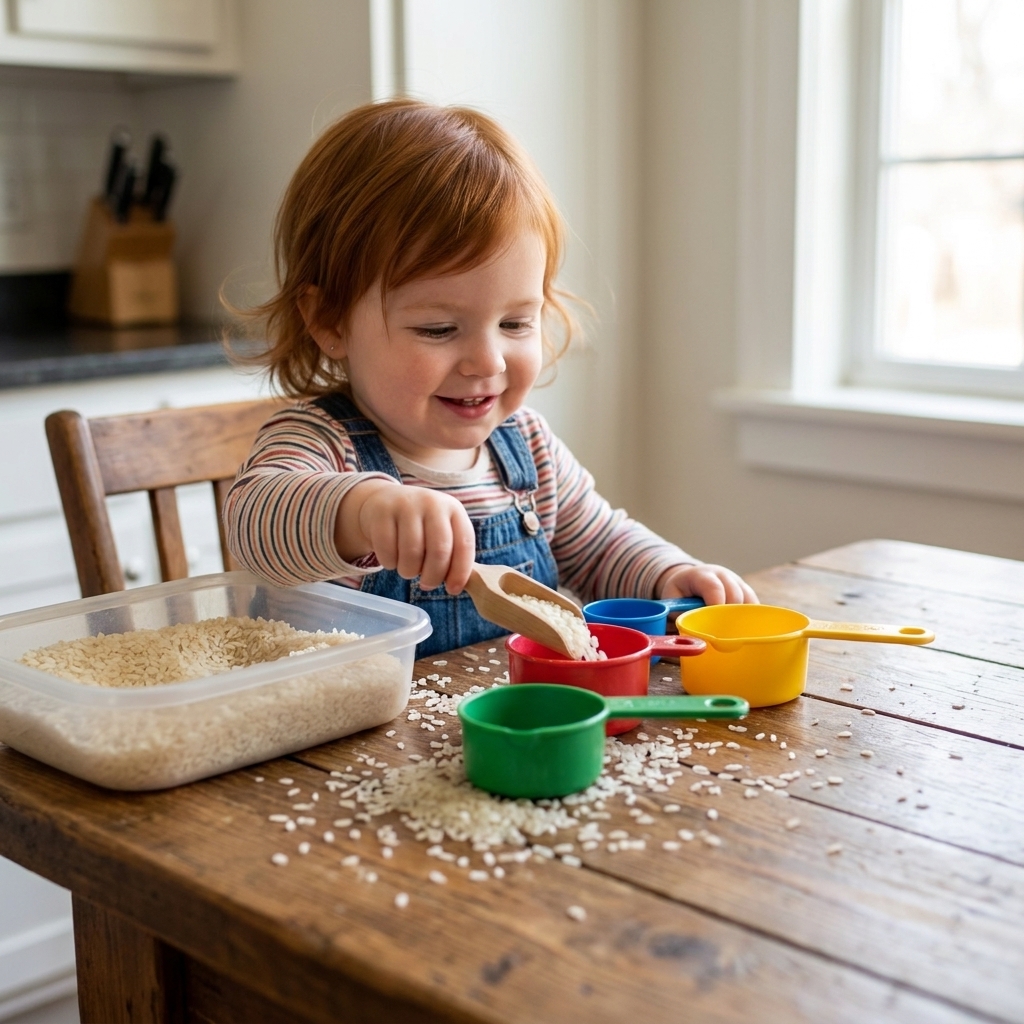
Playdough is usually the easier starting point because you can supervise it in a high chair or at a table, and it is less likely to end up scattered through the room in seconds.
If you do kinetic sand with toddlers, keep it very contained and consider doing it outside or in a big bin. And yes, you will want close supervision if your child still mouths everything.
Preschoolers (3 to 5)
This is the golden age for both. Preschoolers love tools, pretend food, simple molds, and “I made something!” moments.
- Choose kinetic sand if your child loves scooping, trucks, pouring, and construction play.
- Choose playdough if your child loves making creatures, cooking pretend meals, or practicing early writing skills.
Early elementary (6 to 8)
Older kids often enjoy kinetic sand for satisfying builds and detailed landscapes, and playdough for more complex sculpture challenges. They can also handle “care rules” better, like keeping colors separate or keeping sand in the bin.
Safety and sensitivities
I am not a medical professional, but I am a mom who reads labels like it is my hobby.
- Scent sensitivity: Some playdough is heavily scented. If smells are a trigger, look for unscented options.
- Wheat and gluten: Many classic playdough recipes and some store-bought doughs use wheat. If you have allergies in the house, check ingredients carefully. “Gluten-free” and “wheat-free” are not always the same thing for every family or sensitivity.
- Mouthing: Neither kinetic sand nor playdough is intended for eating, even if the label says non-toxic. If a child eats a significant amount or you are worried, contact Poison Control or your pediatrician for guidance.
- Pets: Keep both away from pets. Playdough is often high-salt, which can be dangerous if a pet eats enough of it.
Storage and upkeep
Keep it usable
- Kinetic sand: Store sealed so it stays clean and does not pick up crumbs, hair, or pet fur. If it gets wet, it can clump and change texture. Spread it out to air-dry if possible, but if it smells funky or grows anything (yes, it happens), toss it.
- Playdough: Airtight containers matter. If it starts drying, kneading in a tiny bit of water can sometimes revive it, but if it is crumbly, full of debris, or smells off, it is time to replace it.
When to toss
If either material is visibly dirty, has been mouthed repeatedly, smells strange, or triggers a rash or irritation in your child, I replace it. It is not worth the battle.
Cost and value
Prices vary a lot by brand and kit, but here is the general pattern:
- Kinetic sand: usually costs more upfront, but it can last a long time if you keep it clean and dry.
- Playdough: often cheaper per tub, but it dries out faster if lids are left off and colors get mixed into one big lump.
If your kids play hard and you hate replacing things, kinetic sand can be a better long-haul buy. If you want the most skill-building per dollar, playdough earns its keep.
Cleanup tips
Kinetic sand cleanup
- Use a tray: A plastic bin, roasting pan, or shallow storage container keeps most of it contained.
- Clump trick: Press a ball of kinetic sand onto scattered grains to pick them up.
- Vacuum last: Pick up clumps first, then vacuum.
- Socks off rule: If sand is in a bin on the floor, I ask kids to go sock-free so we do not sprinkle it through the hallway.
Playdough cleanup
- Let it dry (sometimes): On many hard surfaces, dried bits pop off easily. On fabric or finished wood, results vary, so spot-test first and follow the care instructions for your surface.
- Tool rinse: Dough tools can be rinsed, but scrape first so you do not wash a wad of dough into the drain.
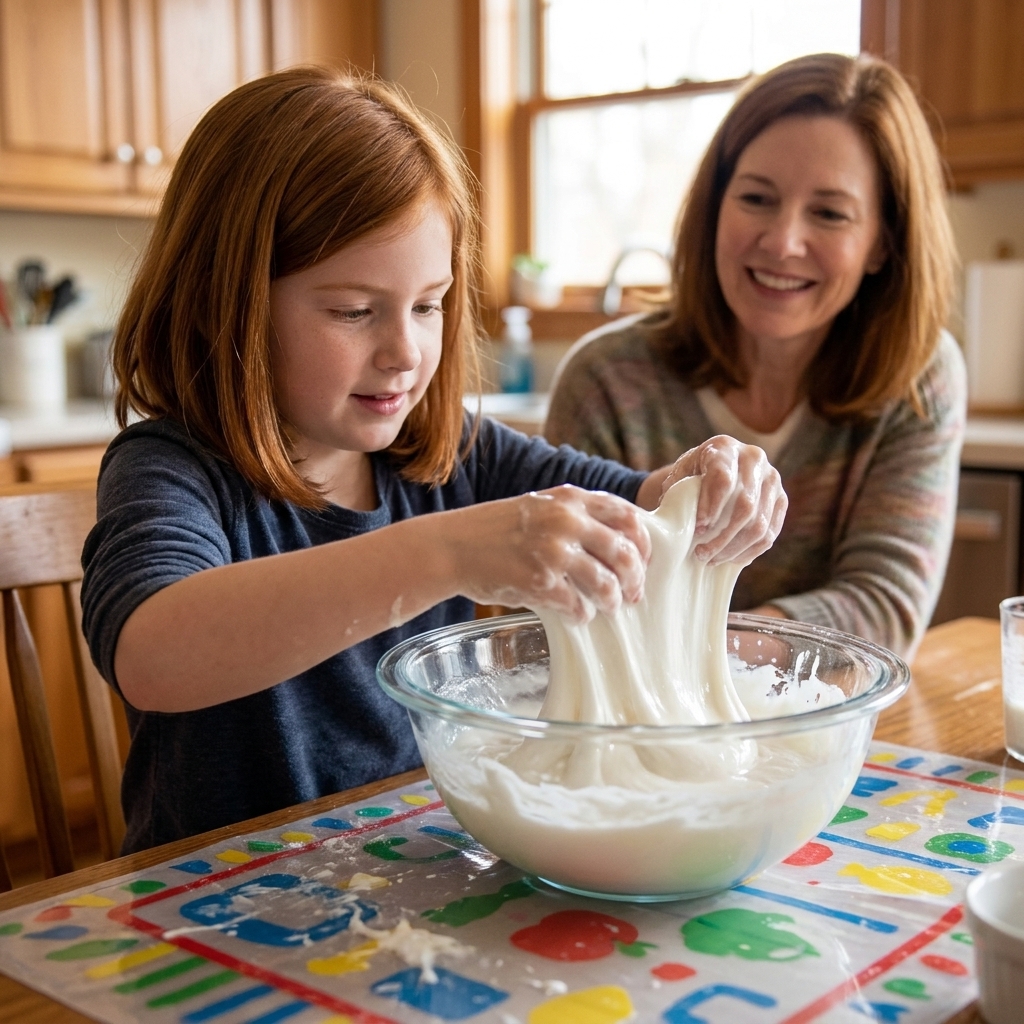
- Table protection: A silicone mat or cafeteria tray makes cleanup quick.
- Hair alert: Tie long hair back. Dough and hair become instant best friends.
Best uses
Pick kinetic sand for
- A repetitive sensory activity that many kids find calming
- Scooping, pouring, and packing practice
- Construction play (trucks, diggers, roads)
- A material that feels less sticky than dough
Pick playdough for
- Fine-motor strengthening
- Letter and number building
- Pretend food and character creation
- A quick quiet-time activity at the table
Pick both for
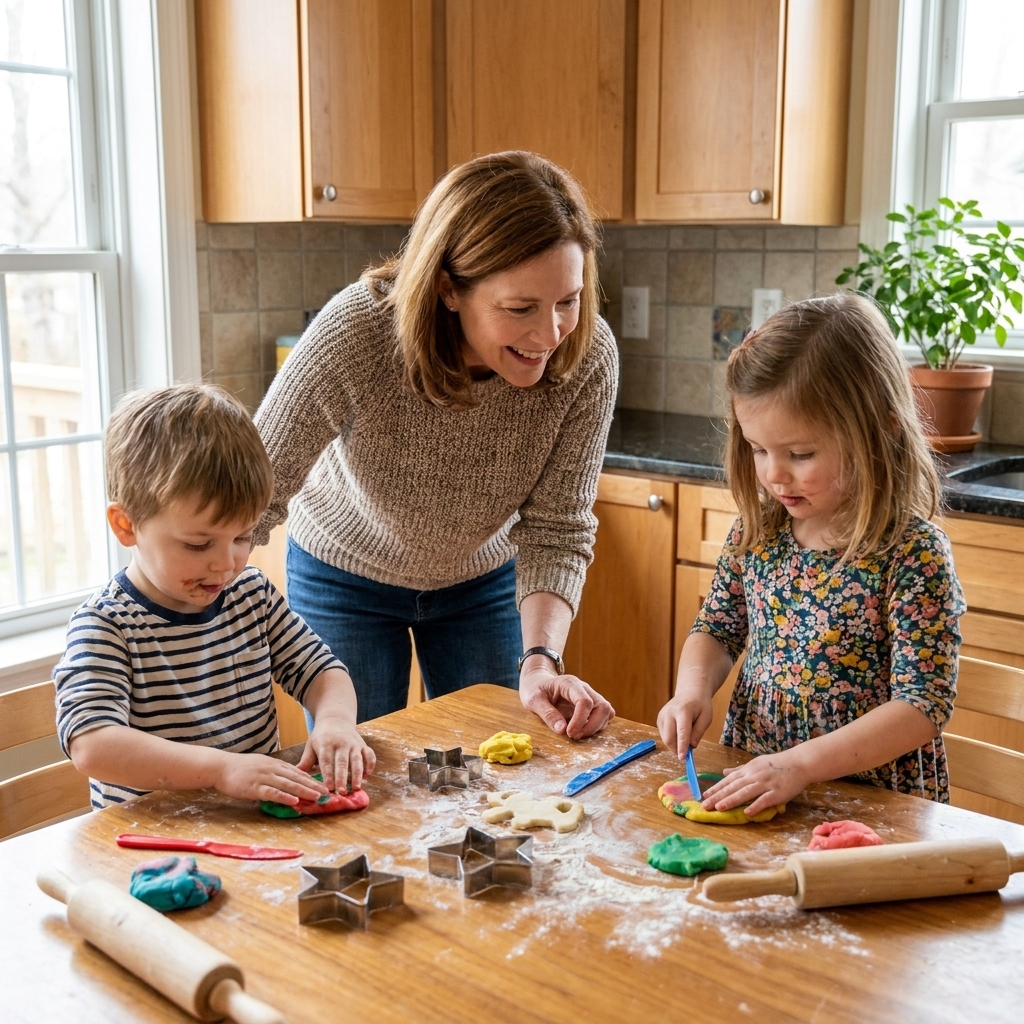
We rotate seasonally and by mood. Some weeks are “sand weeks” and some weeks are “dough weeks.” You do not have to pick a forever winner.
My kids love a simple combo: kinetic sand in a bin for building, plus playdough at the table for making “decorations” for their sand world.
Low-stress setup
Kinetic sand setup
- Bin on the floor or table
- Small dustpan and brush nearby
- 2 to 3 tools only (too many tools increases chaos)
- A clear “sand stays in the bin” reminder before you start
Playdough setup
- Silicone mat or tray
- 1 to 2 colors to start (more colors equals more mixing)
- Kid scissors or plastic knife, rolling pin, cookie cutters
- Container for scraps to keep the table from turning into confetti
Simple house rules
- Play stays on the tray or in the bin.
- Hands get checked before leaving the table.
- We keep it away from pets.
- If it goes in a mouth, we are done for the day.
FAQ
Which lasts longer?
Kinetic sand typically lasts a long time if it stays clean and dry. Playdough can dry out if left uncovered, but good storage habits help it last for weeks or longer depending on use.
Which is better for sensory needs?
It depends on what your child seeks or avoids. Many kids who dislike sticky textures prefer kinetic sand. Many kids who enjoy steady hand pressure prefer playdough. When in doubt, offer tools first, then gradually encourage hands-on play if your child is comfortable.
Is kinetic sand less messy?
On hard floors, kinetic sand can be surprisingly manageable because it clumps and vacuums up well. On carpet, it can feel messier. Playdough is easier to pick up in chunks but can smear into fabric and textured surfaces if it gets mashed in.
What should I buy first?
If your child is preschool to early elementary and you want the most developmental bang for your buck, start with playdough for fine-motor strength. If your child is a builder who loves bins, scoops, trucks, and calming sensory play, start with kinetic sand.
My verdict
If you are looking for the best “hands grow stronger” material, playdough is the classic for a reason. If you are looking for a “busy hands” material that many kids find satisfying and calming, kinetic sand is a strong pick.
And if you are looking for the best sensory play overall, the real secret is this: rotate. When a material starts causing frustration, mess stress, or boredom, swap it out for a week and bring it back later. Sensory play should feel like a release for your child and for you.
If you want, tell me your child’s age and what kinds of textures they love or hate, and I can recommend a setup that matches their sensory style.