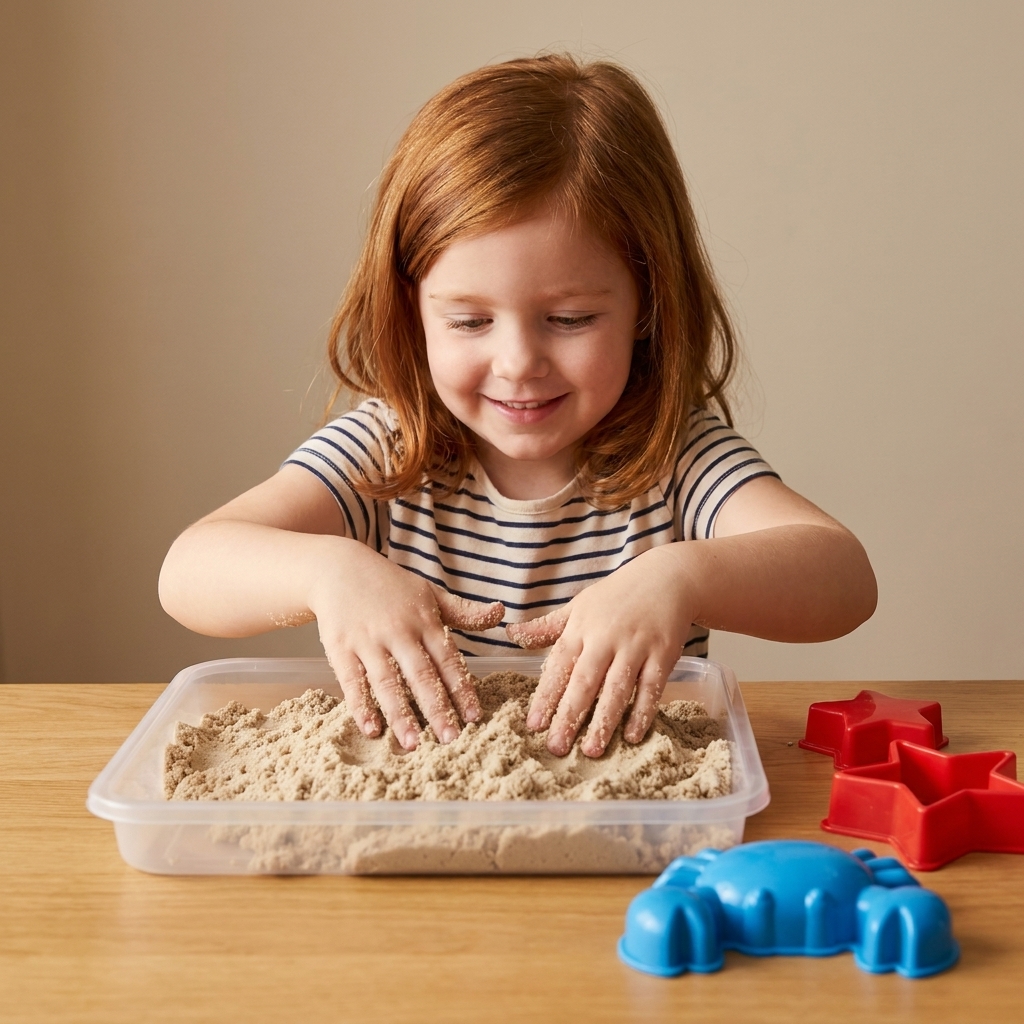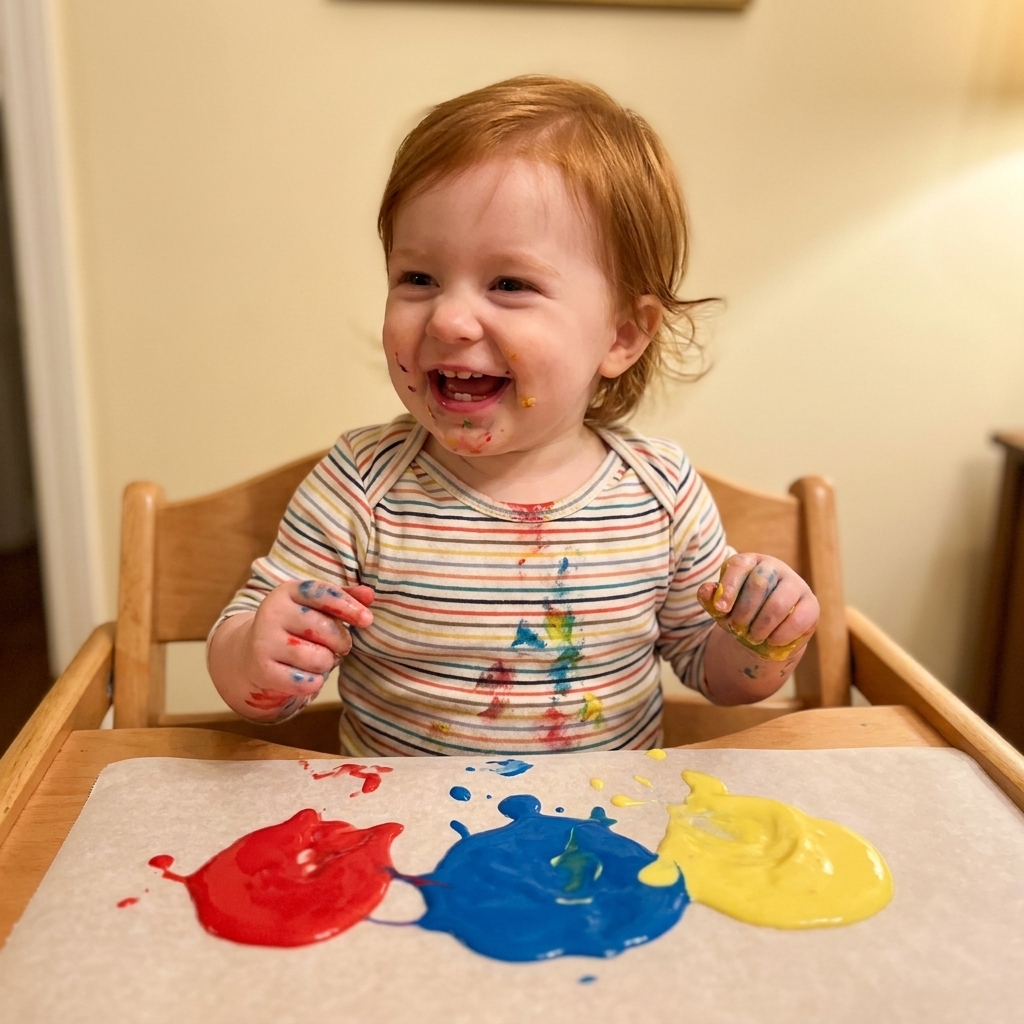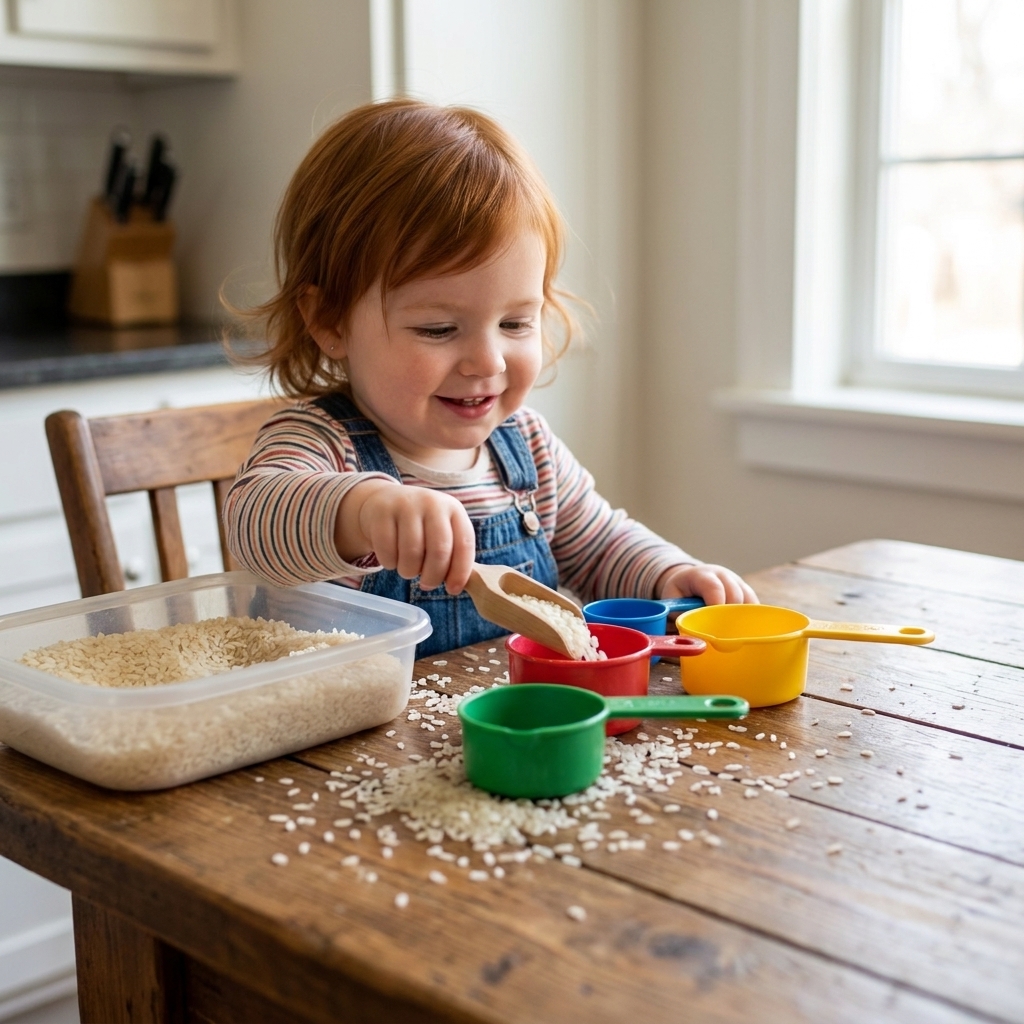
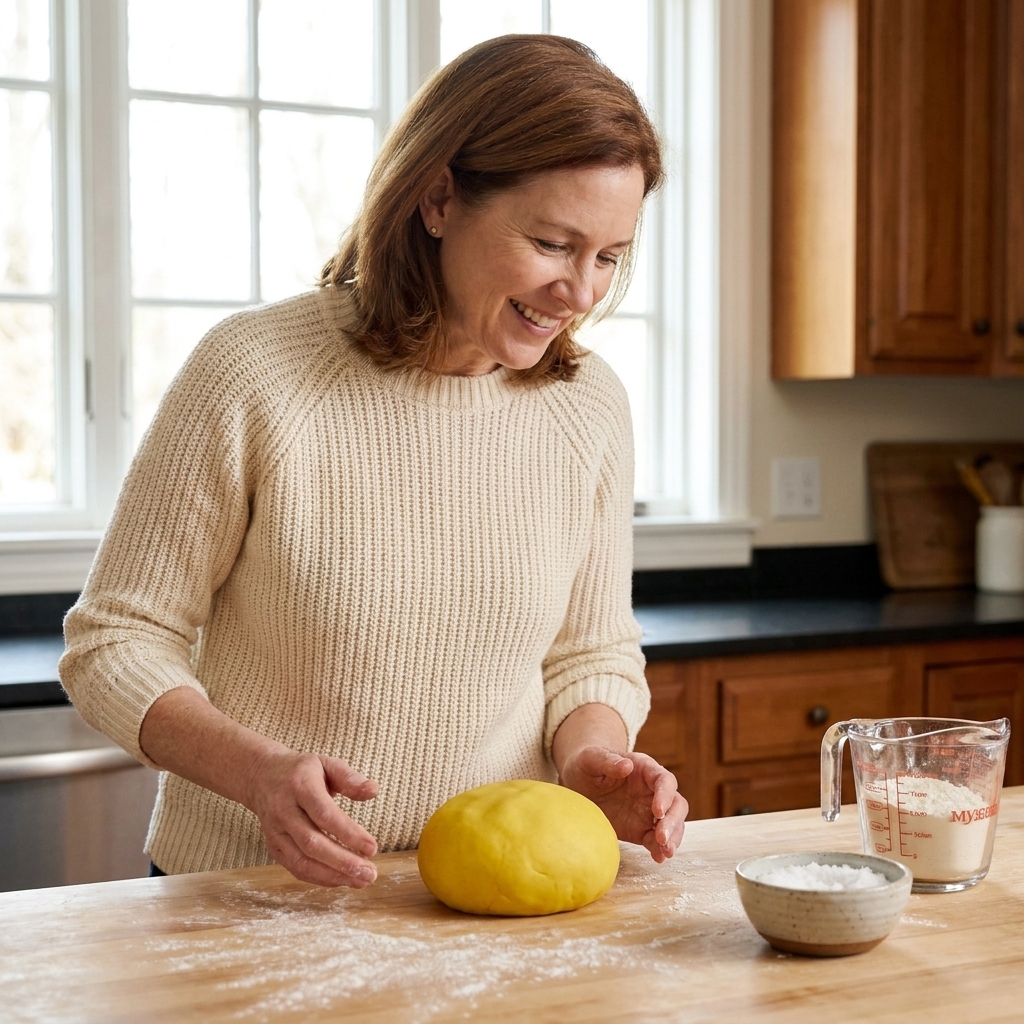
A foolproof no-cook playdough recipe that stays soft with simple pantry ingredients. Includes kid-friendly coloring tips, storage guidance, and quick trouble...
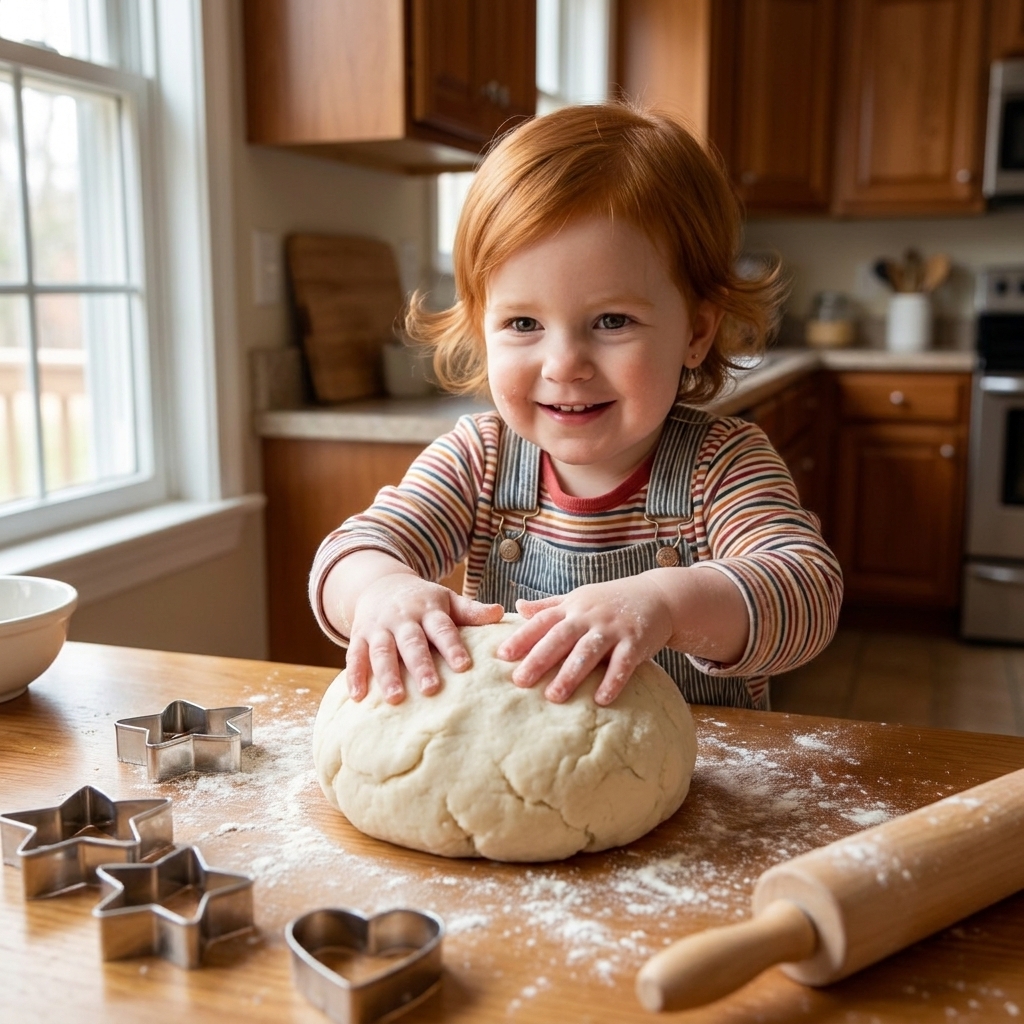
If you have a baby or toddler, you already know the golden rule of sensory play: if it can fit in a mouth, it will. That is why I love keeping a batch of taste-safe playdough in the fridge. Not because I want anyone snacking on it (please do not), but because it lets you relax a tiny bit while your little one squishes, pokes, and proudly offers you a “cookie” they absolutely licked.
Below are five of my favorite natural, taste-safe playdough recipes. They are easy, mostly pantry-based, and forgiving. Pick the one that matches your needs today: super quick, super soft, gluten free, or naturally scented.
Before you start
I say this with all the love from a former kindergarten teacher and current mom of three: taste-safe is about ingredients, not permission. These recipes use edible ingredients, but playdough can still be a choking risk. And some versions are very salty, which means swallowing more than a tiny taste can be harmful.
- Adult supervision is required, especially under age 3.
- Small tools (buttons, beads, mini pom poms) are a no for babies and young toddlers.
- If your child has food allergies, choose recipes accordingly and avoid cross-contamination on bowls and counters.
- If your child is in a phase of persistent eating (or you have any pica concerns), skip playdough for now and do a safer sensory option like a water tray, a bin of big pom poms, or chunky blocks.
- When in doubt, keep playdough play simple and big: big cutters, chunky rollers, muffin tins, and safe kitchen tools.
How to choose a recipe
Here is my quick mom-tested cheat sheet:
- Need it fast? Choose the No-Cook Yogurt Playdough.
- Want classic, smooth dough? Choose the Cooked Flour and Salt Playdough.
- Gluten free? Choose the Gluten-Free Rice Flour Playdough.
- Super sensory and calming? Choose the Oatmeal Playdough (note: it contains wheat flour).
- Smells amazing naturally? Choose the Cocoa or Spice Playdough.
Recipe 1: No-Cook Yogurt Playdough
This is my favorite “we need an activity right now” recipe. It is soft, squishy, and perfect for babies who mostly want to mash.
You will need
- 1/2 cup plain Greek yogurt (about 120 g, thicker is easier)
- 3/4 to 1 cup cornstarch (about 90 to 120 g)
- Optional: a pinch of culinary cinnamon or a spoonful of unsweetened cocoa (for scent)
Steps
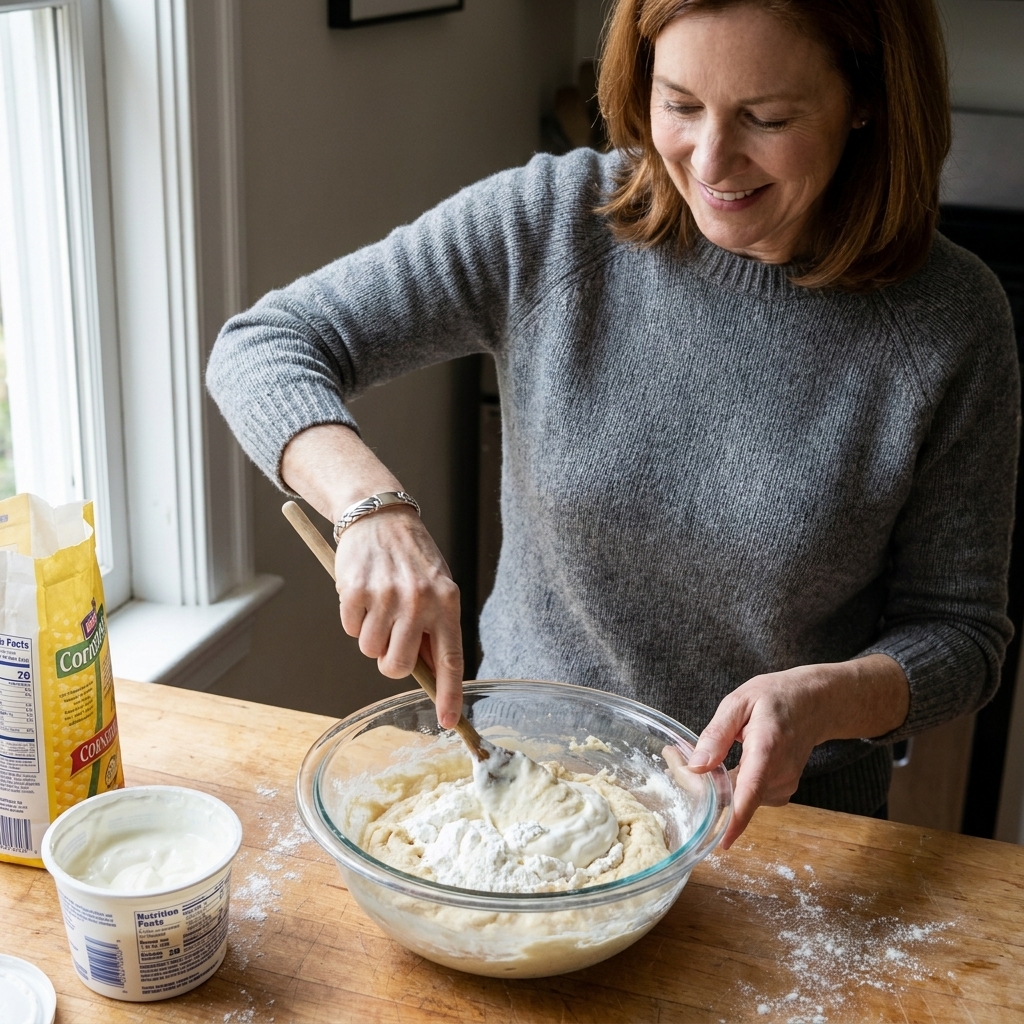
- Add yogurt to a bowl.
- Stir in cornstarch a little at a time until it forms a dough.
- Knead for 30 to 60 seconds. If it sticks, add a little more cornstarch. If it feels dry, add a tiny spoonful of yogurt.
Good to know
- Allergens: dairy and corn.
- Ingredient note: In many places, cornstarch is labeled “cornflour.” You want the fine white starch, not cornmeal.
Best for
Babies and young toddlers, quick sensory play, and low-mess table time in a high chair.
Storage
Store in an airtight container in the fridge for up to 2 days. This one is perishable. If it smells sour, looks watery, or got full of crumbs, toss it.
Recipe 2: Cooked Flour and Salt Playdough
This is the closest thing to traditional playdough, but made with simple pantry ingredients. Cooking it briefly makes it extra smooth and longer-lasting.
You will need
- 1 cup all-purpose flour (about 125 g)
- 1/2 cup salt (about 150 g)
- 2 teaspoons cream of tartar (about 6 g, helps texture and shelf life)
- 1 tablespoon neutral oil (about 15 ml, vegetable, canola, or coconut oil)
- 1 cup water (about 240 ml)
- Optional: natural color (beet powder, turmeric, spirulina) or a few drops food coloring
Steps
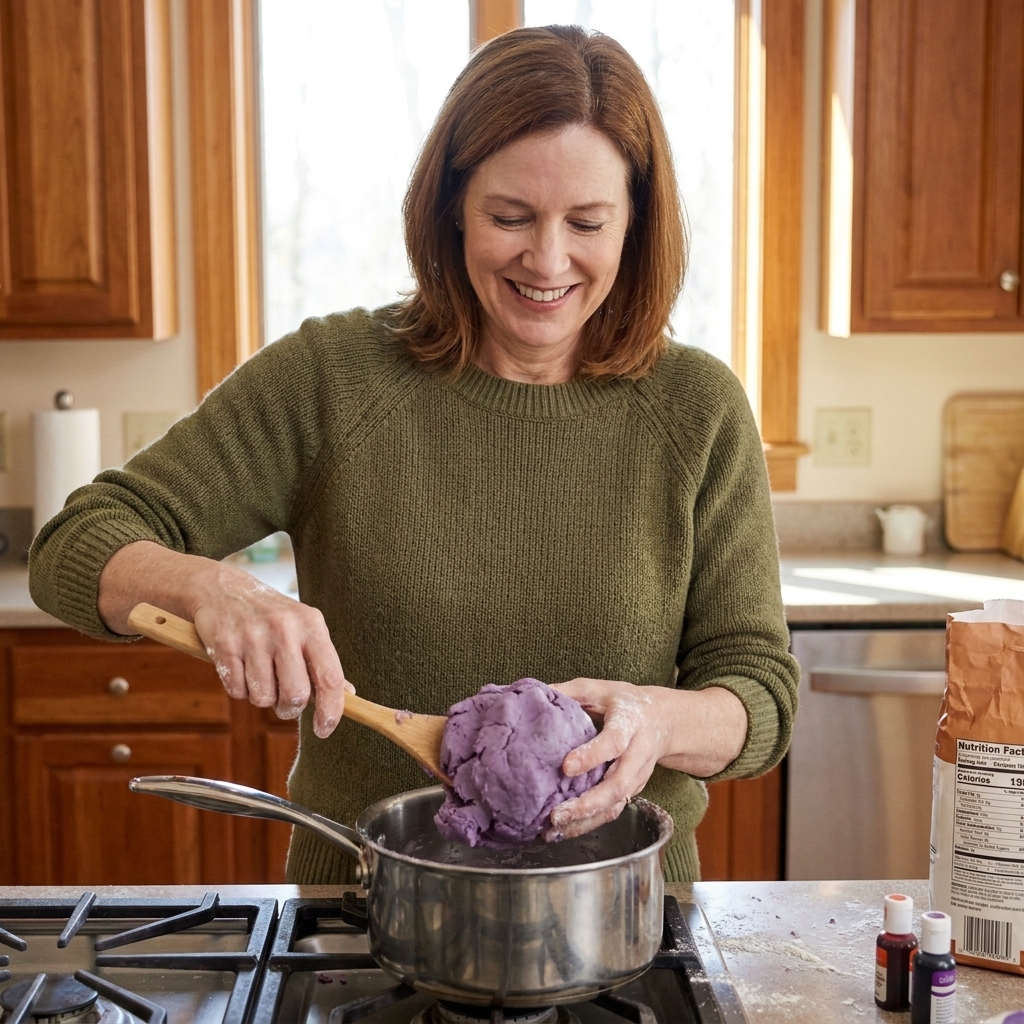
- In a saucepan, whisk flour, salt, and cream of tartar.
- Add water and oil. Stir over medium heat.
- Keep stirring for 2 to 4 minutes until it forms a ball and pulls away from the pan.
- Transfer to a plate to cool for a few minutes, then knead until smooth.
Important safety note
This recipe is high in salt. It is designed to handle the occasional tiny lick, but it is not safe to eat. If you have a child who is in a strong “I eat everything” phase, choose a low-salt option (like the yogurt dough) or skip playdough for now.
Best for
Toddlers and preschoolers who want to roll “snakes,” use cutters, and build little playdough worlds.
Storage
Airtight container at room temperature for up to 2 to 3 days, or in the fridge for up to 2 weeks. Humidity, dirty hands, and little siblings “helping” can shorten the life. If it smells off, feels slimy, or shows any mold, toss it.
Recipe 3: Gluten-Free Rice Flour Playdough
If you need a gluten-free option, this one is my go-to. Rice flour creates a soft dough that is easy to squish and press, though it can feel a little more delicate than wheat flour dough.
You will need
- 1 cup white rice flour (about 160 g, or a gluten-free all-purpose flour blend)
- 1/3 cup salt (about 100 g)
- 1 tablespoon oil (about 15 ml)
- 3/4 cup water (about 180 ml, add slowly)
- Optional: natural color powders
Steps
- Mix rice flour and salt in a bowl.
- Add oil, then slowly add water while mixing.
- Knead until soft. If it crumbles, add a teaspoon of water at a time. If it is sticky, add a sprinkle of rice flour.
Important safety note
This recipe is also high in salt. It is for supervised play, not eating. If your child is likely to take bites, skip this one.
Best for
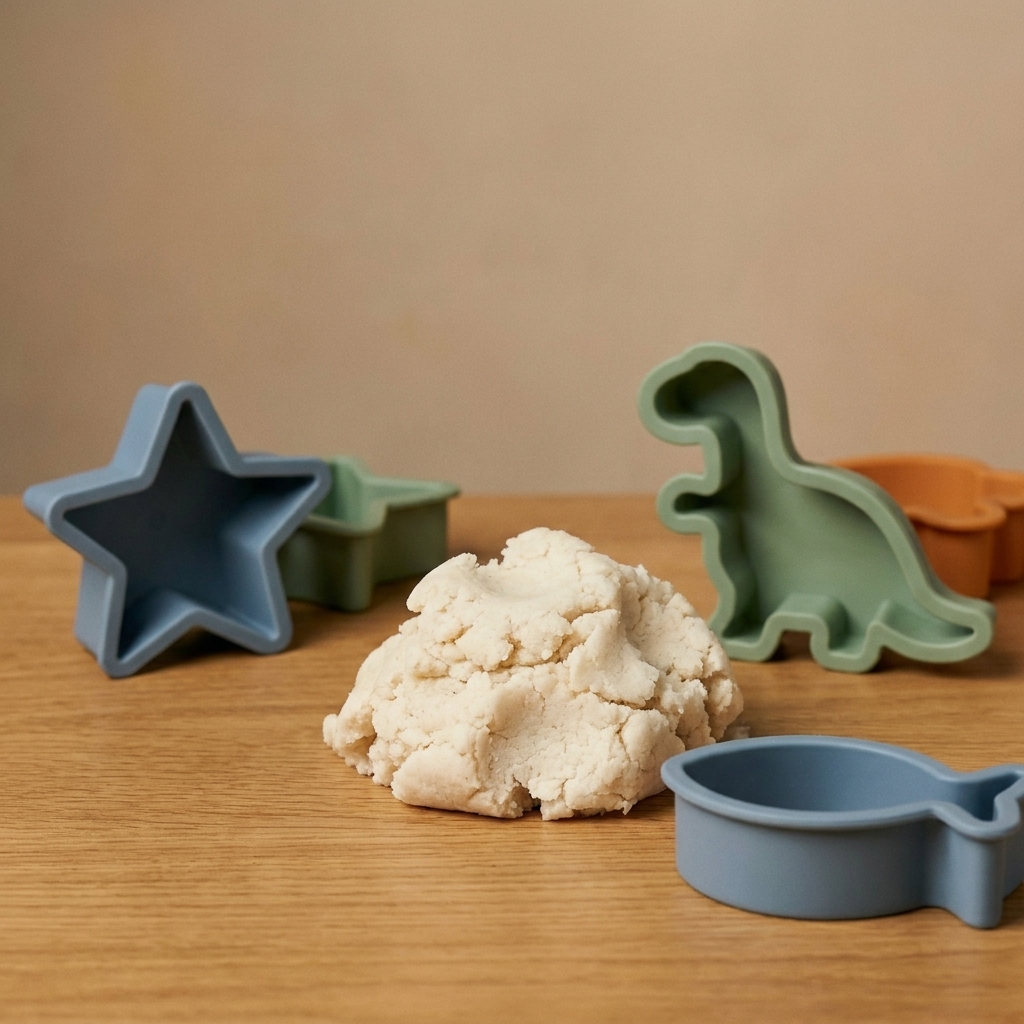
Gluten-free households and kids who enjoy pressing dough into silicone molds or muffin tins.
Storage
Store airtight in the fridge for up to 1 week. Rice flour dough can dry out faster, so keep it sealed tight and use clean hands and tools.
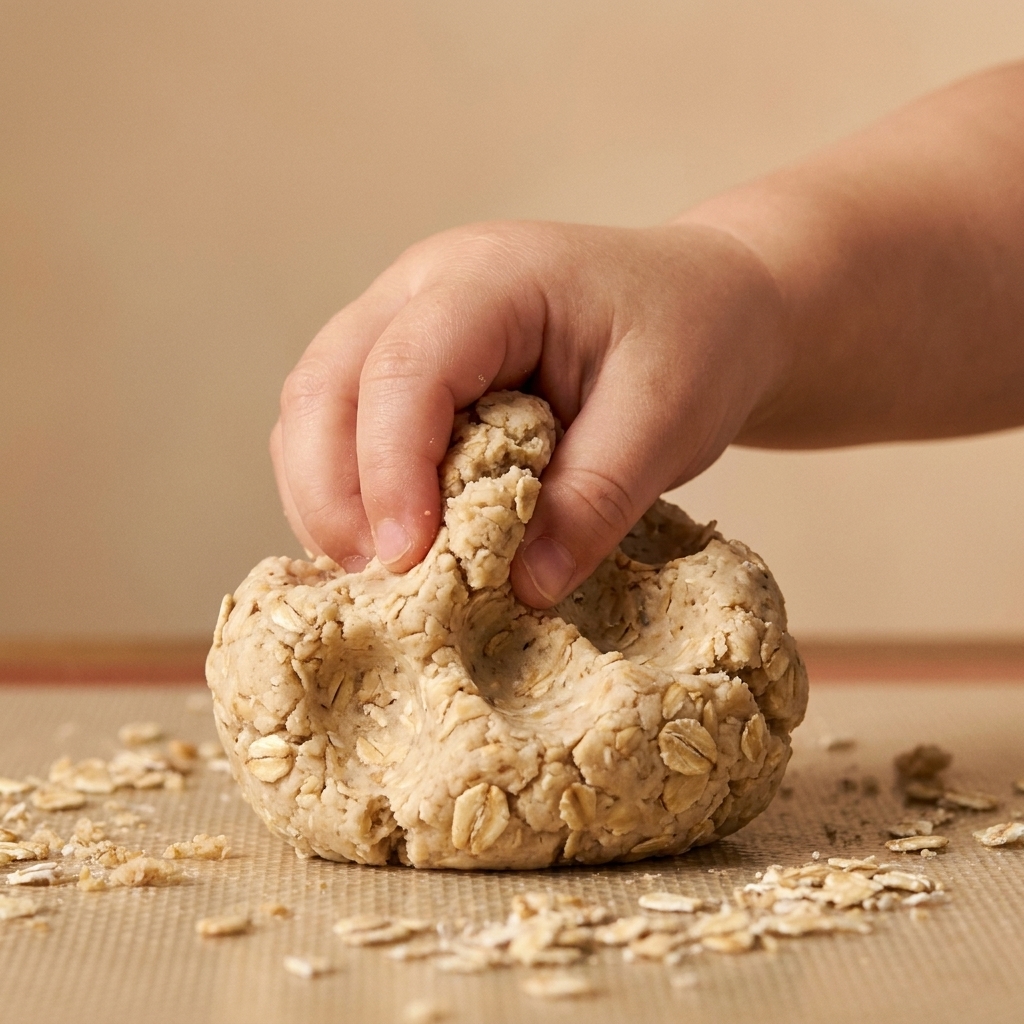
Recipe 4: Oatmeal Playdough
This one is wonderfully textured, which makes it extra interesting for tiny hands. It is also a nice option if you want a dough that feels different from the classic smooth kind.
You will need
- 1 cup quick oats (about 90 g)
- 1/2 cup flour (about 60 g, note: not gluten-free)
- 1/2 cup warm water (about 120 ml)
- 1 tablespoon oil (about 15 ml)
- Optional: 1/2 to 1 teaspoon cinnamon for scent
Steps
- Blend oats for a few seconds if you want a finer texture, or leave them whole for extra sensory input.
- Mix oats and flour in a bowl.
- Add warm water and oil. Stir until shaggy, then knead.
- If it feels sticky, add a sprinkle of flour. If it feels dry, add a teaspoon of water.
Spice note
Cinnamon smells lovely, but it can irritate sensitive skin. Keep amounts small, and if you notice redness or your child rubbing their eyes, switch to unscented dough and wash hands.
Best for
Sensory seekers, babies who like texture, and calm-down play at the table.
Storage
Store airtight in the fridge for up to 3 days. Oat-based dough is more perishable, so when in doubt, toss it.
Recipe 5: Cocoa or Spice Playdough
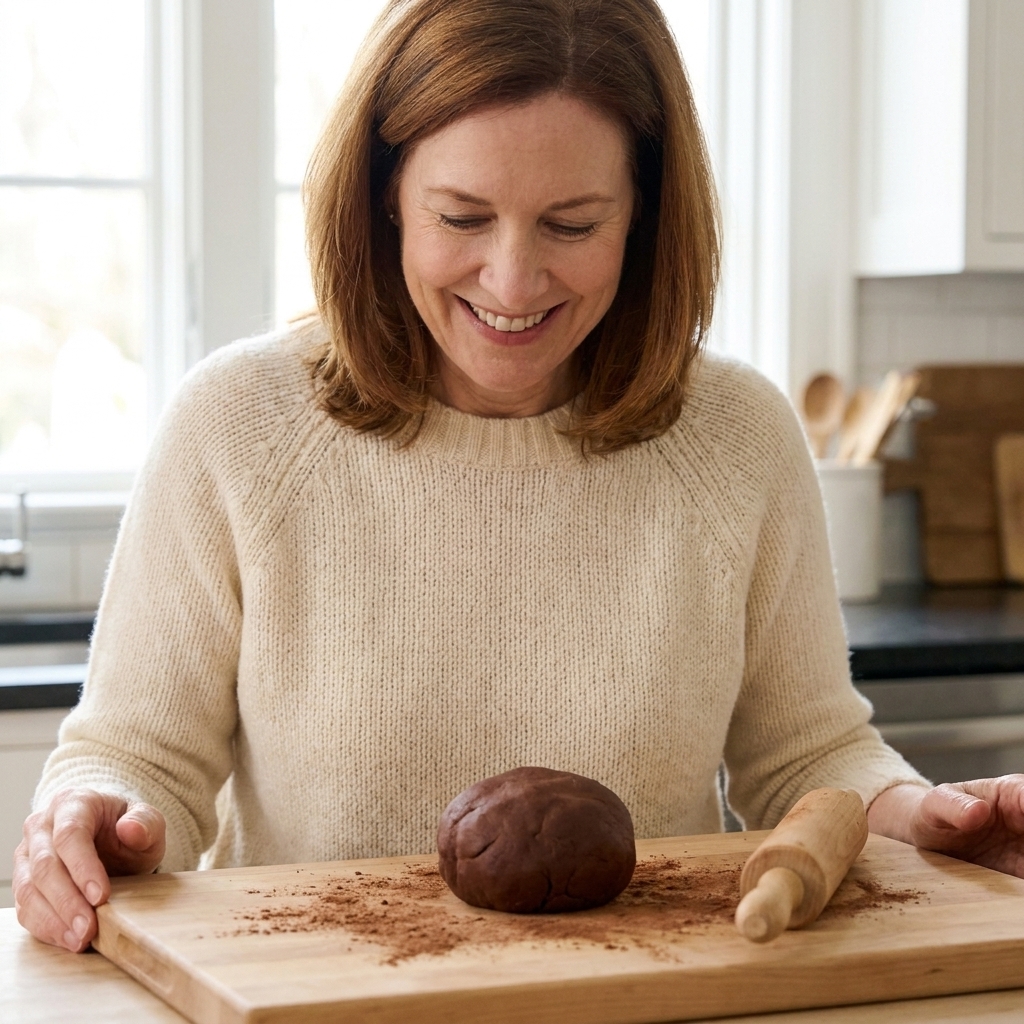
If you want playdough that smells cozy without relying on essential oils, cocoa and pantry spices are your best friends. This is a big hit in our house during fall and winter. My kids call it “brownie dough,” which is adorable and also why I keep a close eye on the youngest.
You will need
- 1 cup flour (about 125 g)
- 1/2 cup salt (about 150 g)
- 2 tablespoons unsweetened cocoa powder (about 10 g) or 1 tablespoon cinnamon + 1 teaspoon ginger
- 1 tablespoon oil (about 15 ml)
- 3/4 to 1 cup water (about 180 to 240 ml)
Steps
- Mix dry ingredients in a bowl.
- Add oil, then slowly add water until dough forms.
- Knead until smooth. If it is sticky, add a sprinkle of flour. If it is crumbly, add a teaspoon of water.
Important safety note
This recipe is high in salt, and the spices can be irritating for some kids. It is taste-safe in the sense that the ingredients are edible, but it is not food. Use close supervision and skip it for kids who are likely to take bites.
Best for
Holiday sensory play, pretend baking, and play kitchen fun.
Storage
Airtight container in the fridge for up to 1 week. Always toss it if it smells off, looks questionable, or picked up food crumbs.
Natural coloring ideas
You do not need color for great play. But if your kids love rainbow dough, here are a few natural-ish options I have tried over the years. Colors will be softer and a bit more earthy, and that is part of the charm.
- Yellow: turmeric (start with a tiny pinch, it stains)
- Pink: beet powder or a spoon of beet puree
- Green: spirulina powder (a little goes a long way)
- Brown: cocoa, cinnamon
- Orange: paprika (mild amount), or a mix of turmeric + beet
Quick tip: For the smoothest color, mix powders into the water first, then add to the dry ingredients.
Stain note: Turmeric and paprika can stain hands, counters, some silicone, and clothing. Use a mat, start small, and keep darker colors away from carpet and fabric furniture.
Low-stress setup
This is my “house held together by hot glue and washi tape” method for keeping the mess reasonable.
- Use a washable mat or a rimmed baking sheet for babies.
- Offer 2 to 4 tools max: a silicone spatula, a chunky rolling pin, big cookie cutters, a plastic fork.
- Skip the tiny add-ins for little ones. If you want texture, use safe kitchen items like oats, large pasta shapes (for older toddlers), or a muffin tin for pressing.
- Keep a damp washcloth right on the table. You will feel like a wizard.
Troubleshooting
If it is sticky
- Add a sprinkle of flour (or cornstarch for the yogurt dough) and knead again.
- Oil your hands lightly before kneading.
- If your kitchen is humid, you may simply need a bit more dry ingredient than the recipe lists.
If it is dry or crumbly
- Add water one teaspoon at a time and knead well between additions.
- Warm dough slightly in your hands. Some doughs soften with body heat.
If it got left out
- Knead in a few drops of water for cooked dough.
- If it is fully crusty, got dusty, or has a weird smell, toss it and make a fresh batch.
Storage and hygiene
- Use airtight containers or zip-top bags.
- Perishable doughs are “make, play, toss.” Yogurt and oatmeal versions are not long-haul doughs.
- If multiple kids are using the same batch, I like to portion individual balls to reduce germ-sharing.
- Throw it away if you see mold, if it smells off, or if it was mixed with food crumbs.
Cleanup tips
- Hard surfaces: Let little bits dry, then scrape or sweep and wipe with warm soapy water.
- Carpet: Let it dry completely, then vacuum up crumbs. If there is a smear, blot with warm water and a drop of dish soap, then blot again with clean water.
- Clothes: Shake off dried dough outside, then rinse and wash normally. For turmeric or paprika, pretreat quickly to reduce staining.
FAQ
Is taste-safe playdough safe for babies?
Taste-safe playdough uses edible ingredients, so small accidental tastes are less concerning than store-bought dough. But babies should still be supervised closely, and playdough is not meant to be eaten. Always consider allergies and choking hazards, and avoid high-salt doughs for kids who are likely to take bites.
What is the best taste-safe playdough for 1-year-olds?
The No-Cook Yogurt Playdough is usually the easiest for 1-year-olds because it is soft and quick to make. Use a small amount at a time on a tray, and skip small tools.
Can I use essential oils to scent playdough?
For babies and toddlers, I prefer skipping essential oils. Pantry scents like cocoa or a small amount of culinary spice can be simpler. That said, some spices (especially cinnamon) can irritate skin, so keep it mild and wash hands after play.
How do I keep playdough from staining?
Turmeric and some natural powders can stain hands and surfaces. Use a mat, start with tiny amounts, and wash hands right after. When in doubt, keep dough uncolored and let the tools add the fun.
A gentle reminder
If your toddler smashes the dough into the carpet, your baby tries to lick it, and your big kid insists their “pizza” needs exactly 43 pepperonis, you are doing it right. Sensory play is supposed to be hands-on and a little chaotic. Keep it simple, keep it supervised, and celebrate the squish.