Two ingredients, big sensory payoff. Learn the best cornstarch-to-water ratio, how kids can mix it in a bin, why it acts solid then drips, plus easy fixes an...
If my house ever gets inspected, I am pretty sure the hot glue and washi tape will testify on my behalf. But when my kids want a sensory activity that feels fancy and takes almost zero prep, I reach for cloud dough. It is fluffy, moldable, and wonderfully forgiving, which is my love language in craft form.
This version uses just two ingredients: cornstarch and hair conditioner. It comes together fast, feels like soft kinetic sand meets playdough, and it is perfect for squishing, scooping, and “baking” pretend cupcakes.
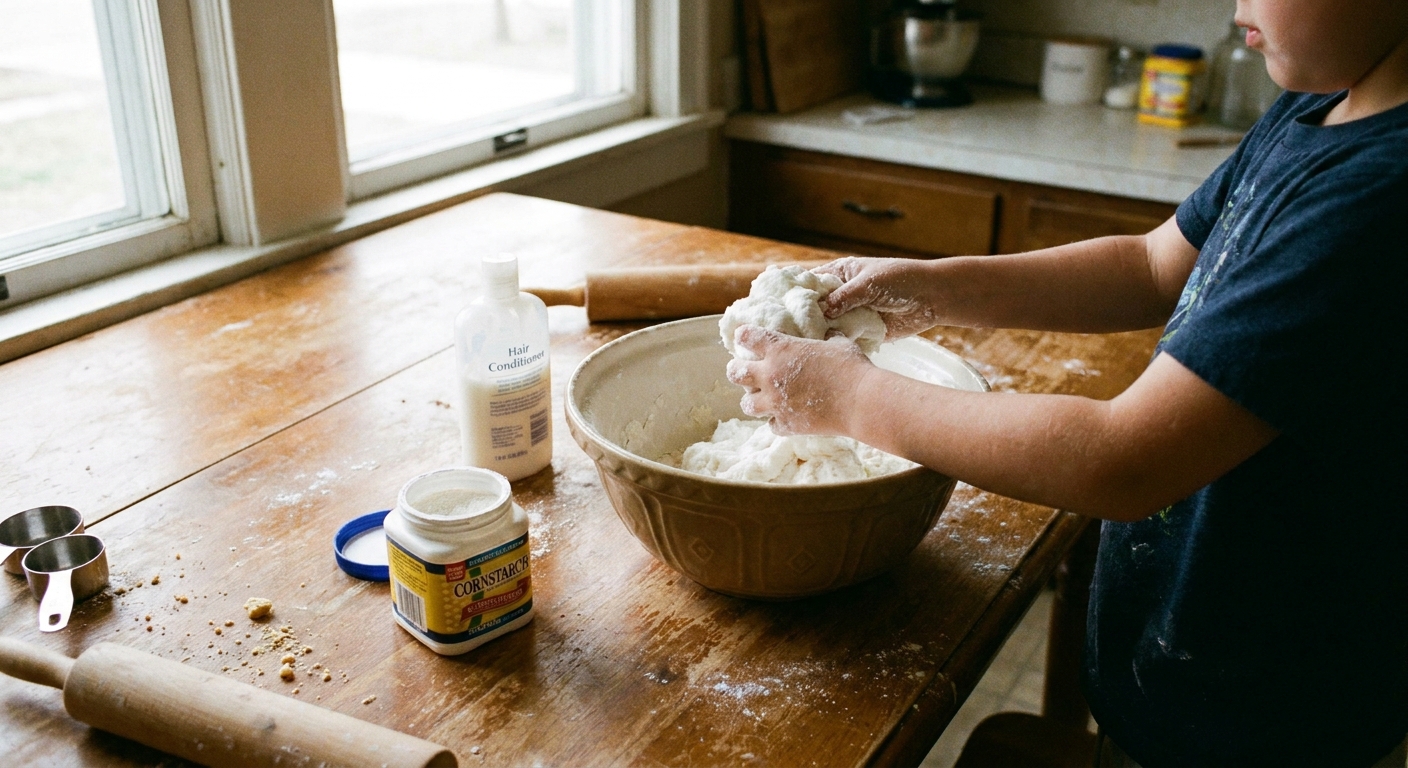
What it should feel like
Your goal is a dough that:
- Feels airy and velvety when you run your fingers through it
- Holds a shape when you squeeze it into a ball or press it into a mold
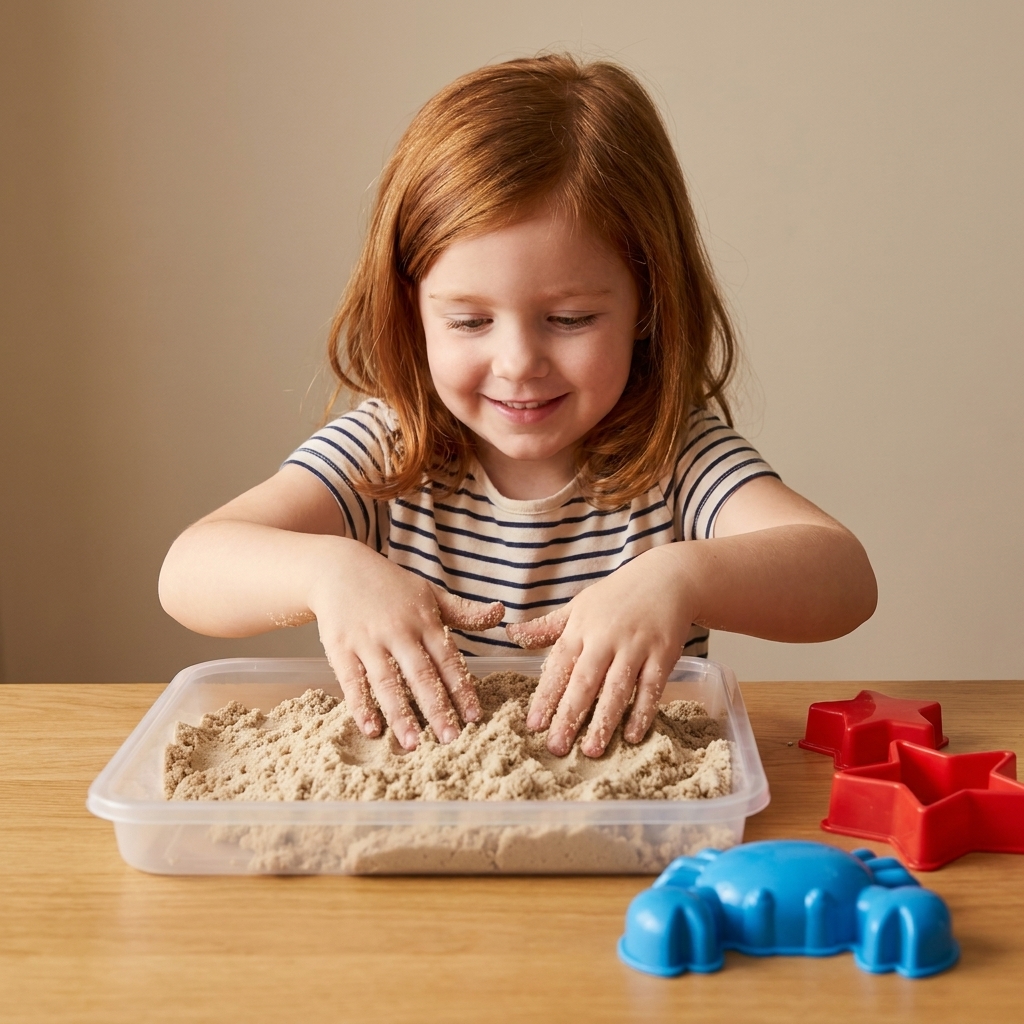
- Crumbles softly if you rub it between your fingers, kind of like fresh snow that packs into a snowball
- Does not feel wet or leave a lotion-like film all over little hands
If you have ever made “moon sand” with oil and flour, this is the fluffier, less greasy cousin.
Safety first
This cloud dough is non-edible. Cornstarch is a pantry ingredient, yes, but hair conditioner is not food. If you have a kiddo who is still in the “taste-test everything” stage, I recommend waiting or using an edible sensory alternative instead.
Best for preschool and up with close supervision, especially if you have a toddler who likes to mouth sensory materials. Small lumps can also be a choking risk, so this is one of those “sit with them and play too” activities at my house.
Also, avoid this activity if anyone has very sensitive skin or fragrance allergies. Unscented conditioner is your best friend here. If your kid is prone to reactions, do a quick patch test first since some conditioners contain essential oils or other common allergens.
Supplies
Main ingredients
- Cornstarch
- Hair conditioner (thick, creamy conditioner works best)
Nice-to-have tools
- Large mixing bowl
- Measuring cups
- Spoon or silicone spatula
- Tray, plastic tablecloth, or a rimmed baking sheet for containment
- Cookie cutters, silicone molds, measuring cups, toy trucks, or a mini rolling pin
- Apron or old T-shirt (conditioner and carpet are not besties)
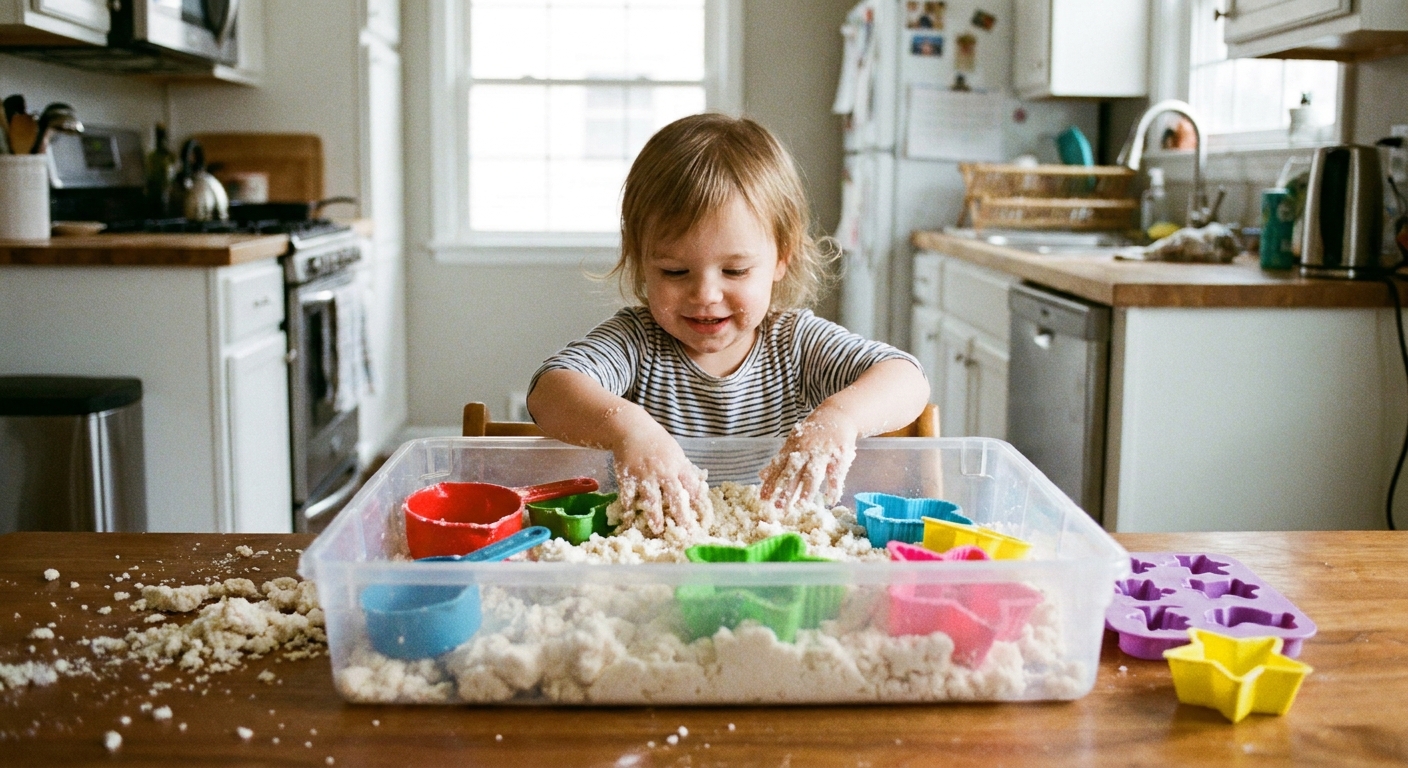
Best ratio
After plenty of “oops, that is soup” moments with my three kids, this is the ratio I rely on:
- 2 cups cornstarch
- 1/2 cup conditioner
That is a 4:1 ratio by volume (four parts cornstarch to one part conditioner). It makes a fluffy dough that holds together without feeling greasy.
Want to scale it? Keep the same ratio:
- 1 cup cornstarch + 1/4 cup conditioner
- 4 cups cornstarch + 1 cup conditioner
Quick conditioner note: Brands vary. A thicker, creamy, unscented conditioner usually gives the best “cloud” feel. Very slick, silicone-heavy formulas can feel a bit slippery, so plan to adjust with a pinch more cornstarch if needed.
Easy setup
I like to set this up so kids can help without accidentally dumping in half the conditioner bottle.
- Choose a wide bowl so little hands have room to mix.
- Pre-measure the cornstarch into the bowl (especially helpful for toddlers).
- Pour conditioner into a separate small cup and hand them a spoon to add it slowly.
- Work on a tray or rimmed baking sheet to catch the cornstarch “snow drift.”
If your child is 3 or younger, I recommend starting with half a batch. Smaller batches are easier to correct if the texture goes sideways.
How to make it
1) Add most of the conditioner, not all
Put 2 cups cornstarch in the bowl. Add about 1/3 cup conditioner first, saving the rest for adjustments. You will likely use up to about 1/2 cup total, depending on the brand.
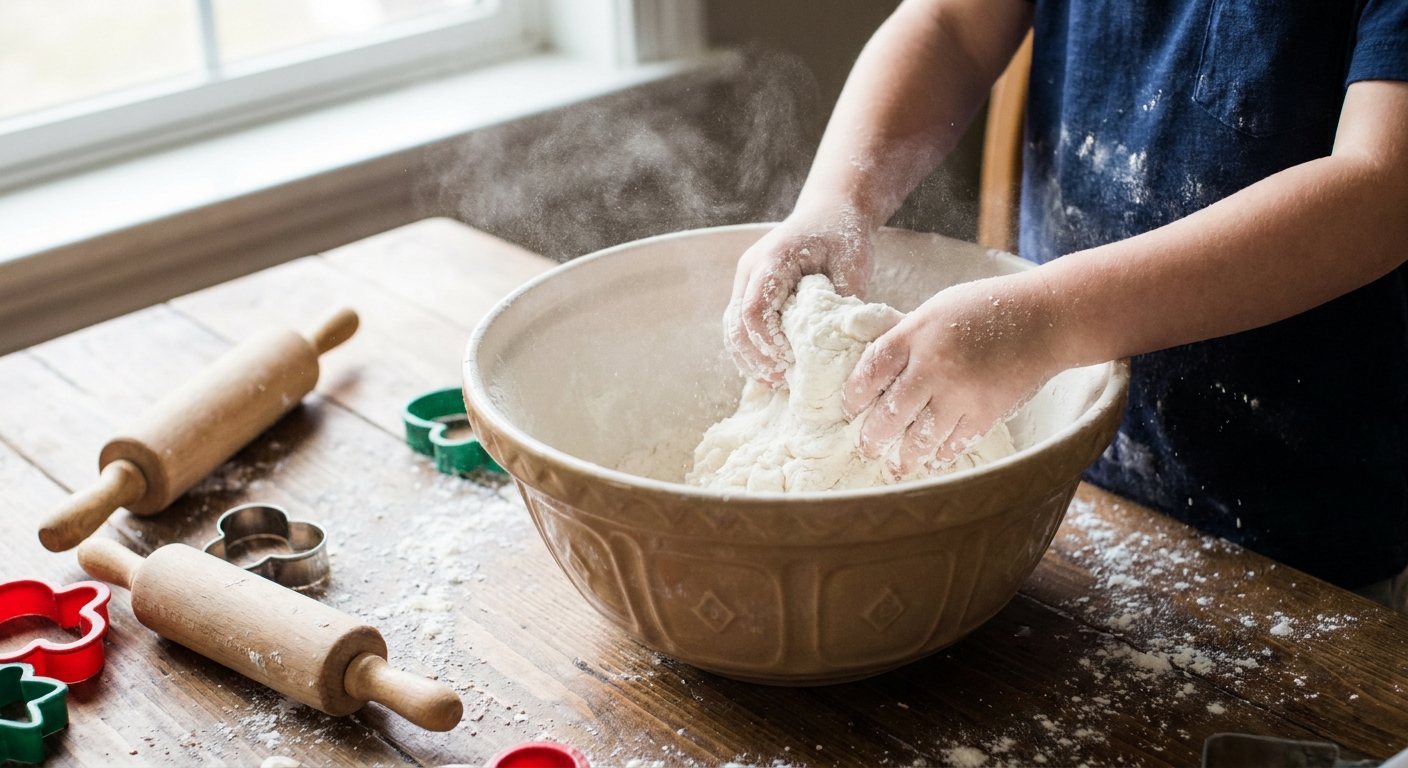
2) Stir, then switch to hands
Stir with a spoon until you get shaggy clumps. Then let kids mix with clean hands. It will look too powdery at first. Keep squishing.
3) Add conditioner slowly until it holds together
Add the remaining conditioner one spoonful at a time. Stop when the dough holds its shape when squeezed, but still feels soft and “cloudy.”
4) Knead for 30 to 60 seconds
Kneading helps the cornstarch absorb the moisture, and the texture becomes smoother and more moldable.
Quick fixes
If it is greasy or too wet
Usually this means too much conditioner or a conditioner that is very slick.
- Add more cornstarch, 1 tablespoon at a time, kneading between additions.
- Let it rest for 5 minutes, then re-knead. Sometimes it just needs a moment to settle.
- Next time: use a thicker conditioner and add it more slowly.
If it is crumbly and will not hold a ball
This means it needs a touch more moisture.
- Add conditioner, 1 teaspoon at a time, kneading well.
- Warm it with your hands for 20 to 30 seconds. Body heat helps it come together.
If it feels perfect in the bowl but falls apart in molds
- Pack it firmly into the mold like you would pack sand at the beach.
- Lightly dampen the mold with a tiny spritz of water, then pack again. Skip wetting the whole batch.
Play ideas
Cloud dough is one of those activities where the simplest props are the biggest hit.
- Bakery play: muffin tin “cupcakes,” spoons, and a spatula
- Construction zone: toy trucks and small scoops on a tray
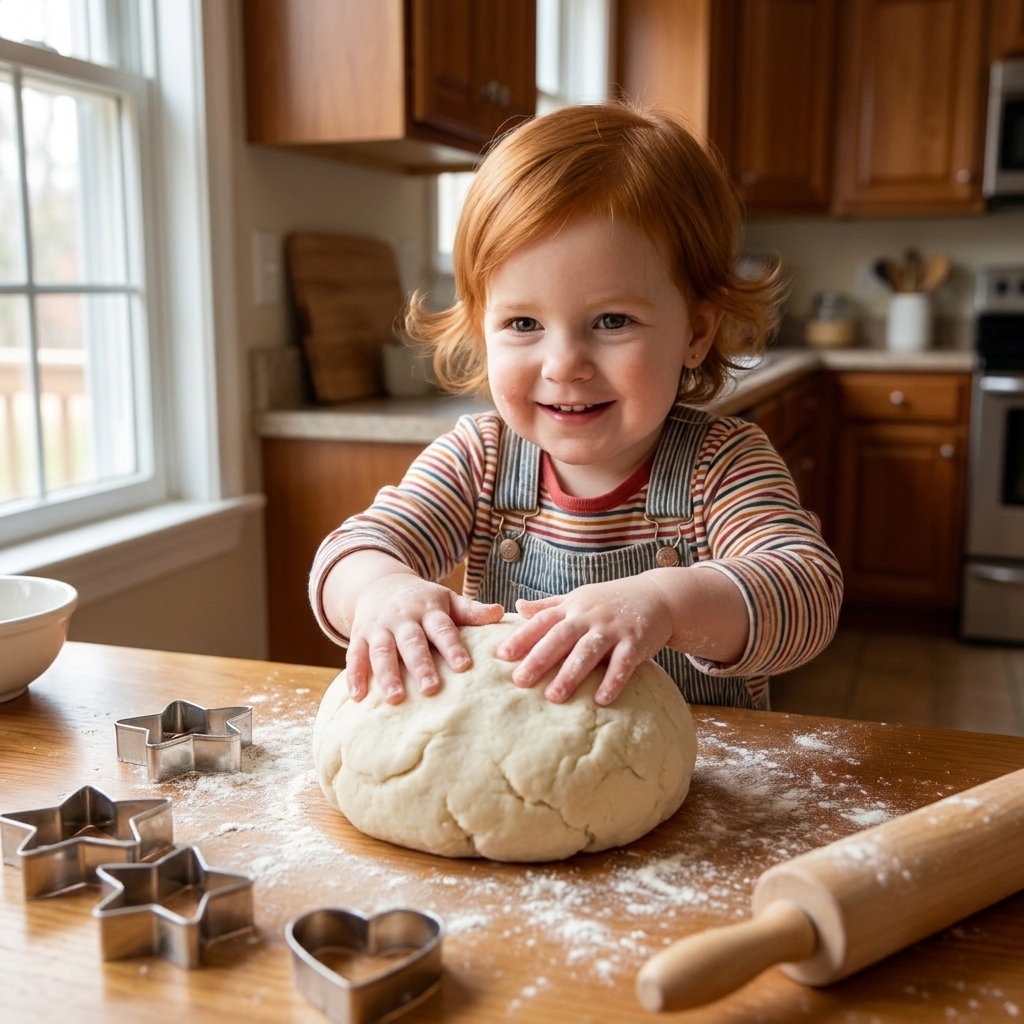
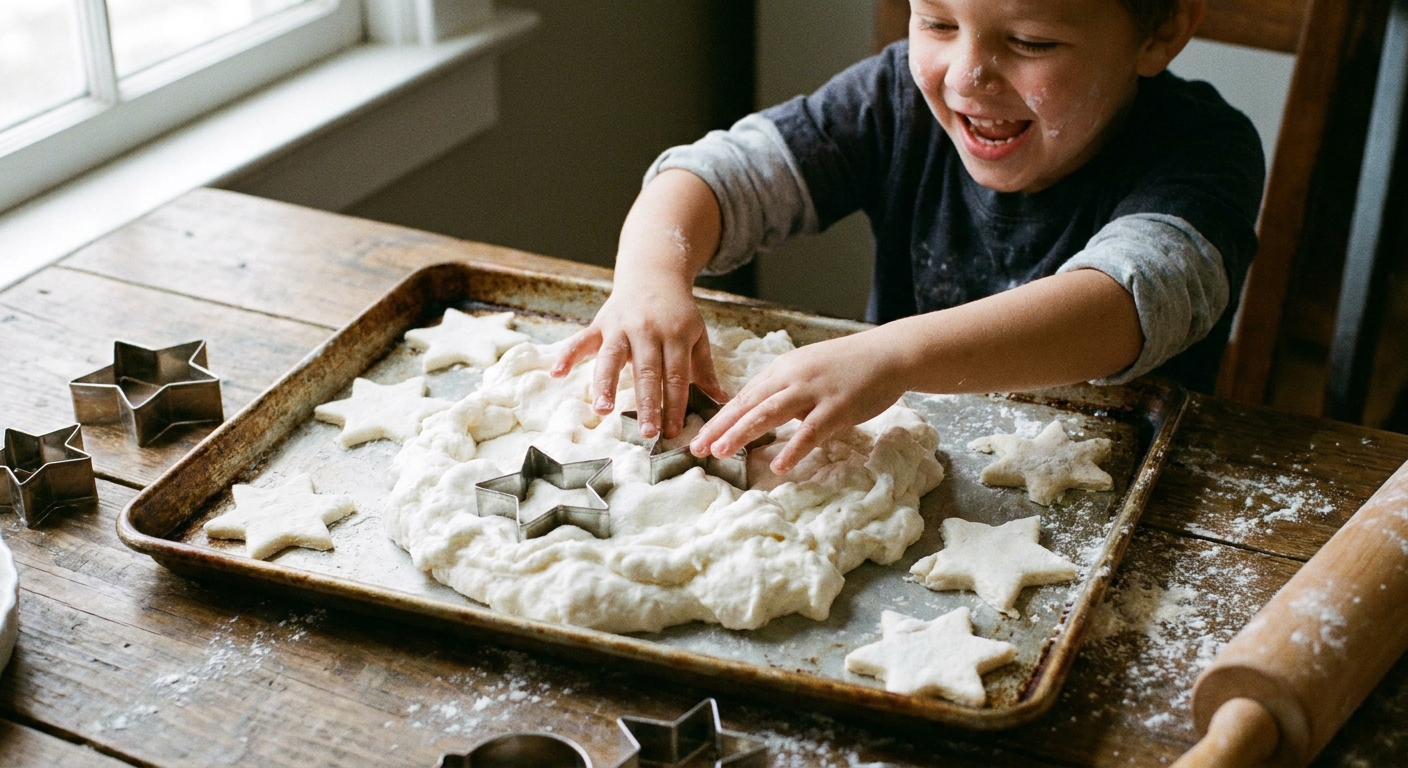
- Cut-and-press station: cookie cutters and a mini rolling pin
- Treasure hunt: hide a few plastic coins or small toys to dig out
Storage
This particular cloud dough is best the day you make it. You can store it in an airtight container for a short time, but it often changes texture as it sits, and it can get either drier or oddly slick depending on the conditioner.
If you do store it, keep it in a sealed container and remix with a pinch of cornstarch before the next play session.
Cleanup and disposal
Cornstarch and water form a thick gel that can cling to pipes, and conditioner adds its own slippery layer. So here is the golden rule at my house:
Do not rinse big amounts down the sink.
How to dispose of it
- Scoop leftovers into the trash. Use a paper towel or an old spatula to get most of it.
- If you used a sensory bin, dump crumbs into the trash first, then wipe.
How to clean surfaces
- Dry clean first: scrape and wipe with a dry paper towel or cloth.
- Then wash: use warm soapy water for the final wipe-down.
- For carpet: let it dry completely, then vacuum. Avoid rubbing it in while wet.
If little hands feel slippery after play, a quick hand wash with warm soap and water does the trick.
Troubleshooting
- Too greasy: add cornstarch 1 tablespoon at a time and knead
- Too crumbly: add conditioner 1 teaspoon at a time and knead
- Not holding molds: pack tighter or lightly dampen the mold
- Mess spreading: move play into a tray or bin, and keep a dry towel nearby
If you try this with your kids, tell me what they made. Mine always start with “a cake” and end with “a mountain for tiny dinosaurs,” which feels like a very accurate summary of childhood.