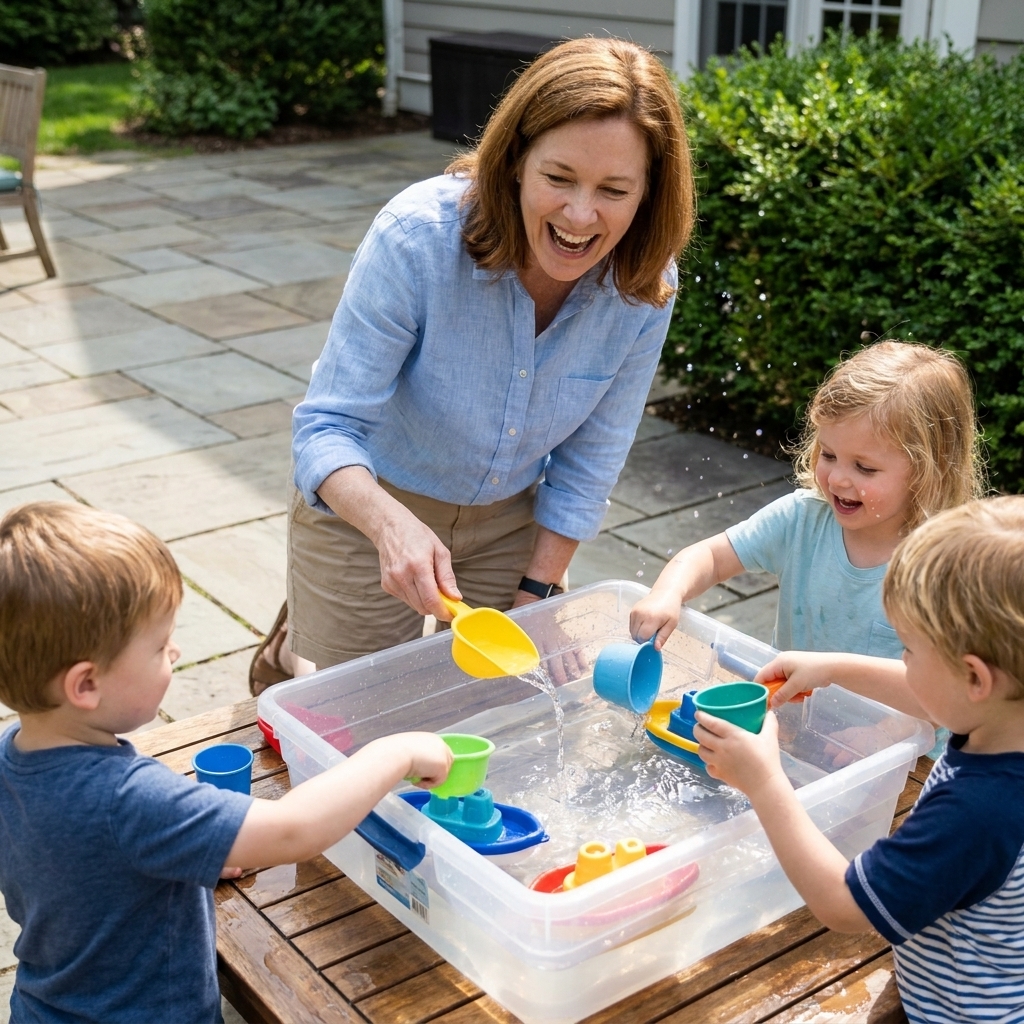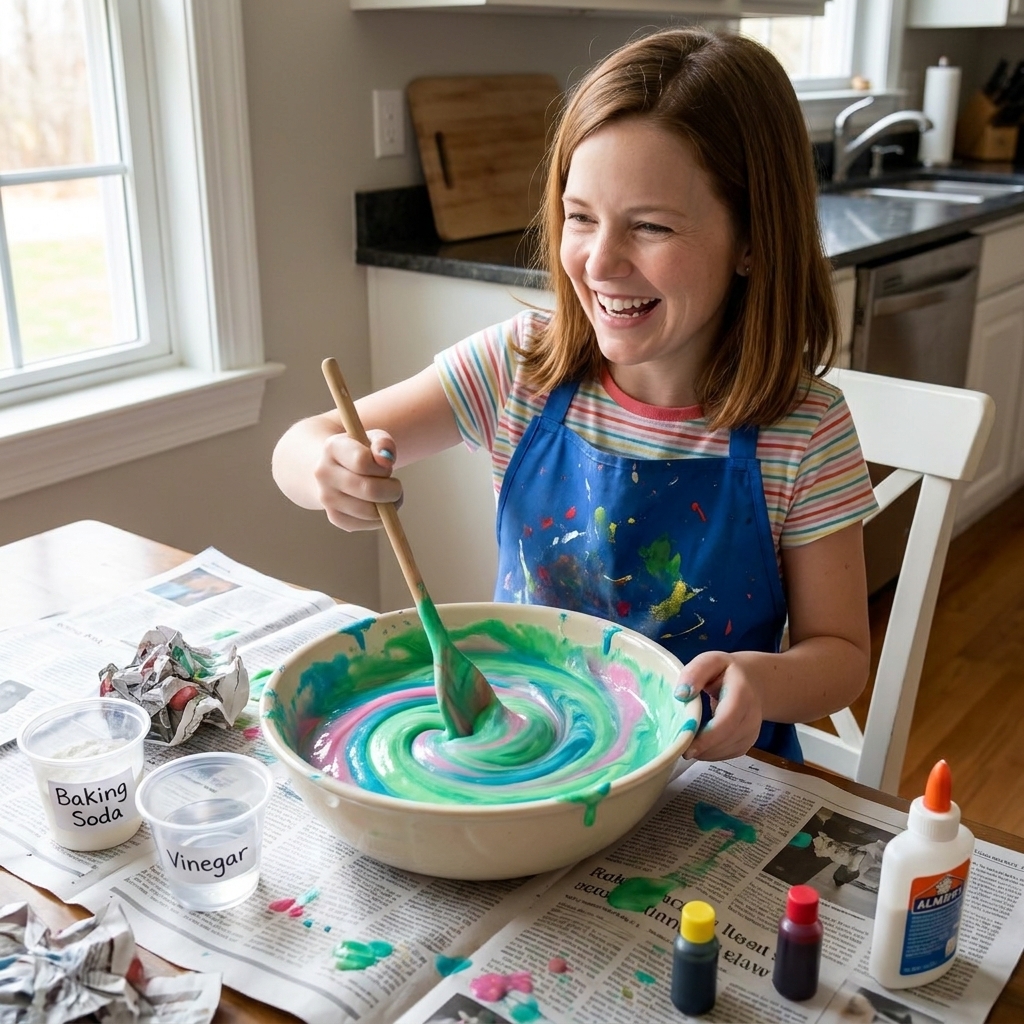
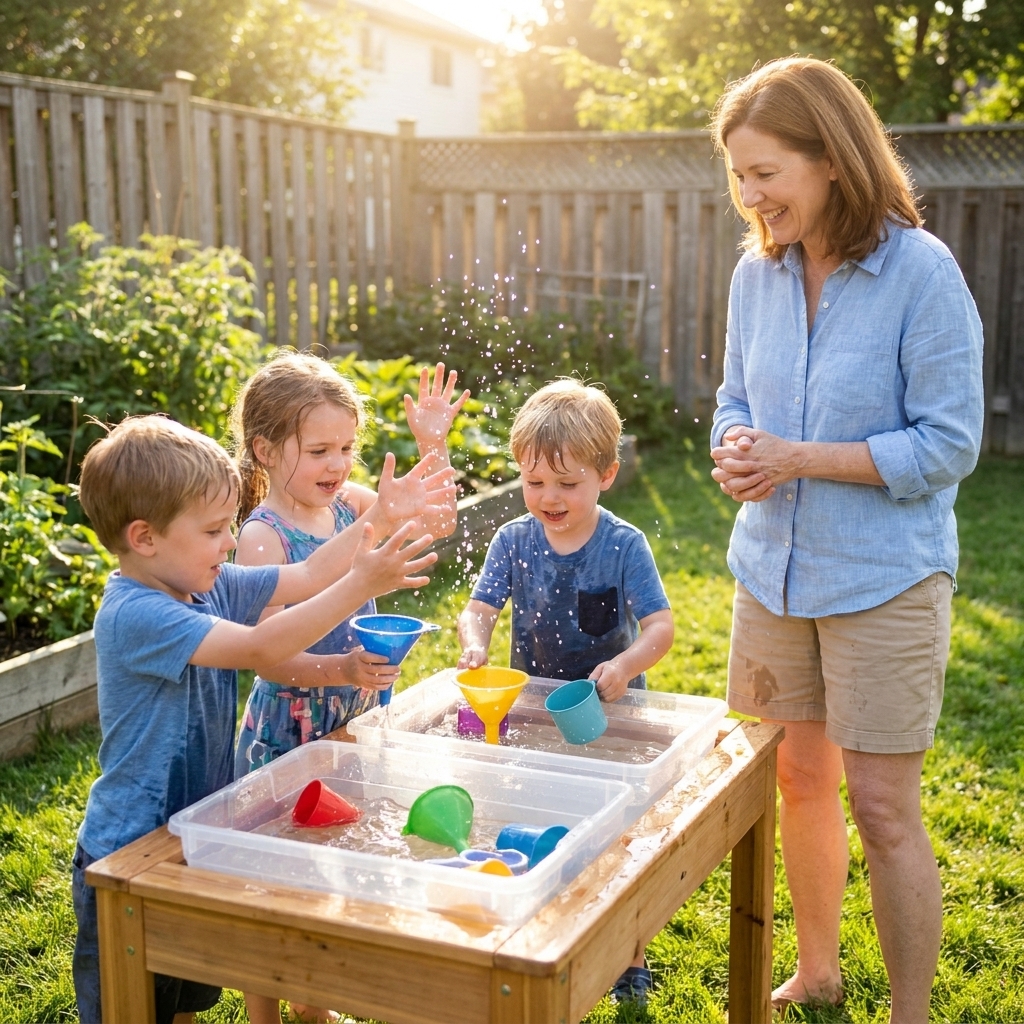
Beat the heat with 12 kid-approved summer water play activities that build sensory skills and keep setup simple: ice treasure hunts, sponge games, splash sci...
Confession from a former kindergarten teacher turned stay-at-home mom: my house is basically held together by hot glue and washi tape, but our backyard summer is held together by bubbles.
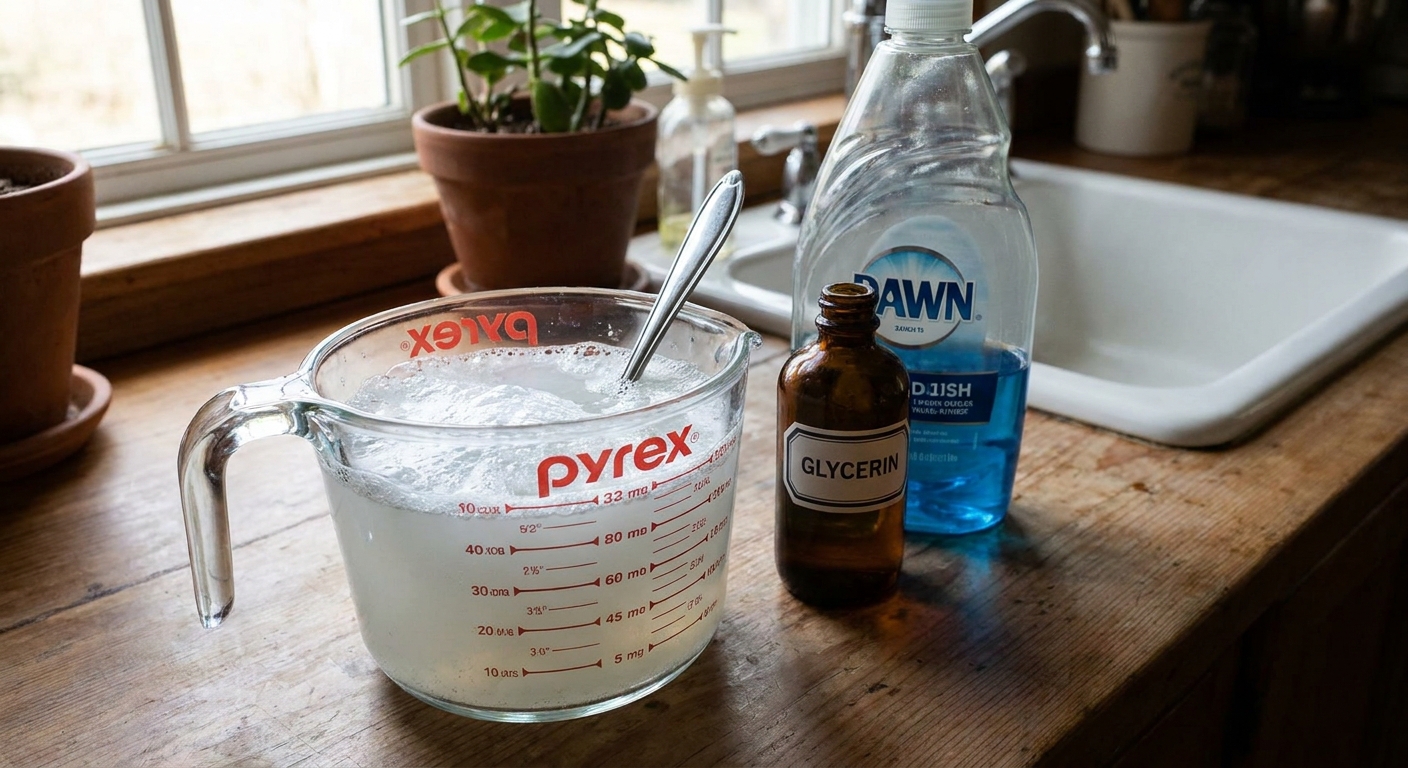
If you have ever tried the quick “dish soap + water” mix and watched every bubble pop before it even floats away, you are not doing anything wrong. You just need one extra ingredient that helps the bubble film stay stretchy instead of fragile. My go-to is glycerin.
Why bubbles pop fast
A bubble is a super thin film of soapy water trapping air. That film is always trying to break because of a few sneaky bubble pop culprits:
- Evaporation: Water leaves the bubble film, making it thinner and weaker.
- Dry air or heat: Speeds up evaporation. Sunny, breezy days are the hardest.
- Dirt and oils: Tiny bits of dust, grass, sunscreen, or skin oils disrupt the soap film.
- Not enough “stretch”: Some soaps make a film, but it is too brittle to last.
Glycerin helps because it attracts and holds onto water, slowing evaporation. It also makes the bubble film more flexible, so it can stretch instead of snapping.
Long-lasting bubble recipe
This is the version I use when I want big, floaty bubbles that survive a toddler sprinting through them.
You will need
- 6 cups water (distilled is best if you have hard water, but tap can work)
- 1 cup liquid dish soap (standard hand-washing dish soap, not dishwasher detergent or pods)
- 2 tablespoons glycerin
- A large bowl or pitcher
- A spoon for gentle stirring
Soap note from my real-life kitchen: I have the best luck with classic, grease-cutting formulas (the kind many families use for everyday dishes). Brand and water hardness matter, so if your first try is just “okay,” it might not be you. It might be the soap.
How to mix it
- Pour in the water first. This helps reduce foam.
- Add the dish soap slowly. Try not to create lots of suds.
- Add glycerin.
- Stir gently. Think “folding,” not whisking.
Rest time
Let the solution rest at least 1 hour. For the strongest bubbles, rest it overnight (covered) at room temperature. Resting lets foam settle and helps the mixture become more uniform, which usually means better bubbles.
Kid-tested tip: If your kids are bouncing off the walls and cannot wait overnight, do the 1-hour rest and keep expectations realistic. Then stash the leftovers and you will be amazed at how much better it is tomorrow.
No-glycerin backup
If you do not have glycerin, you can still make a fun bubble mix. The bubbles may not last quite as long, but it is a great “we need bubbles right now” option.
You will need
- 4 cups water
- 1/2 cup liquid dish soap (not dishwasher detergent)
- Optional: 1 tablespoon sugar or 2 tablespoons light corn syrup
Mix + rest
Mix gently and rest 30 to 60 minutes. Sugar or corn syrup can help a little with strength, but results vary a lot depending on your soap and water hardness. It is not as consistent as glycerin.
DIY bubble wands
You do not need a fancy wand. You need something that holds a thin film of solution and has a stable shape.
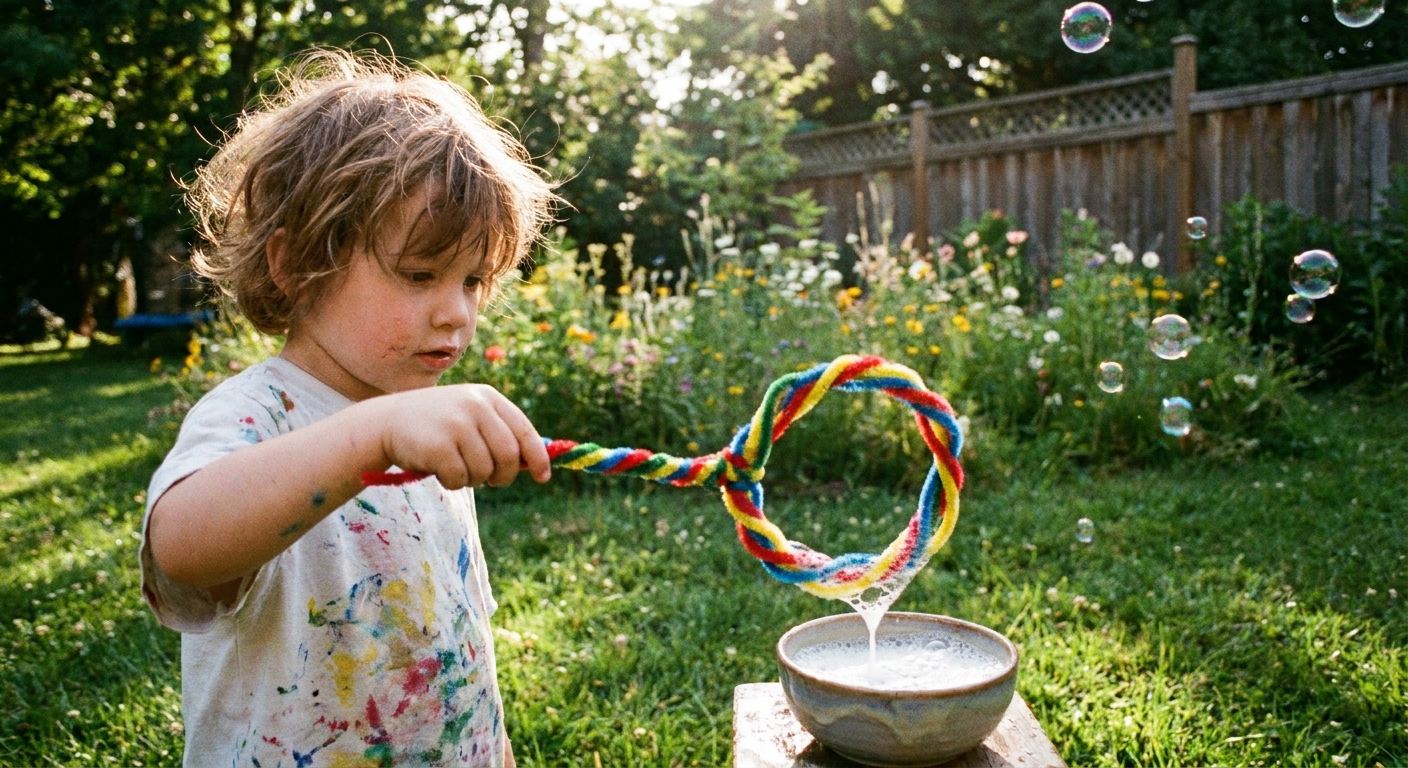
Option 1: Pipe cleaner wand
- Bend a pipe cleaner into a circle, heart, or star.
- Twist the ends together to make a handle.
- For a sturdier wand, twist two pipe cleaners together first, then shape.
Why it works: The fuzzy texture holds onto bubble solution, making it easier for kids to get a good film.
Option 2: Straw bundle wand
- Gather 6 to 10 plastic straws or paper straws.
- Wrap a rubber band around one end to bind them.
- Dip the bundled end into solution.
- Blow gently through the other end.
What you get: A cluster of small bubbles at once, which feels like bubble confetti without extra mess.
Outdoor setup that feels calm
Bubbles are joyful, but they can turn into “why is everything slippery?” in about three minutes. Here is what helps in real life:
- Choose the right spot: Grass is safer than a deck or tile since spills happen.
- Use a wide, shallow container: A pie plate or baking dish is easier for little hands than a tall cup.
- Set up a rinse station: A small bucket of clean water and a towel for sticky hands.
- Pick your bubble weather: Early morning or evening usually makes longer-lasting bubbles because the air is cooler and less dry.
Indoor bubble play
Indoor bubbles can be magical on rainy days, but you need boundaries unless you enjoy mopping for fun.
- Play on an easy-clean surface: Kitchen floor, bathtub, or shower stall works best.
- Lay down towels: Put one under the bubble bowl and one for hands.
- Use small amounts: Pour just a little solution into a shallow dish and keep the main batch out of reach.
- Try “bubble windows”: Dip a wand and press it gently onto a window or mirror to make bubble circles. Wipe with a damp cloth after.
Slip warning: Bubble solution is slick. Indoors, I treat it like ice. Slow feet only, and no running.
Eye safety and kid rules
Dish soap stings, and enthusiastic bubble blowing can get splashy fast.
- Teach “blow out, not suck in.” Especially with straw wands. Little kids can accidentally sip soapy water if they inhale.
- Handwashing after play: Especially before snacks.
- Eye plan: If soap gets in eyes, rinse with clean, lukewarm water for several minutes (and remove contact lenses if applicable). If irritation continues, contact a medical professional.
- Supervise toddlers closely: Ages 3 and under love tasting science experiments.
Troubleshooting
If the mix feels weak
- Rest it longer: Overnight can be the difference between frustration and bubble magic.
- Try distilled water next time: Hard water can reduce bubble strength.
- Clean your container: Any grease or residue interferes with the film.
- Check the day: Hot, dry, windy weather can make even great solution feel disappointing.
- Adjust slowly: If you want to tweak, add a small splash more soap (think 1 tablespoon at a time). More soap is not always better. Too much can mean more foam, not better bubbles.
If the mix is too thick or foamy
- Thin it with water: Add 1/4 cup water at a time.
- Avoid shaking: Foam is the enemy. Stir slowly.
- Skim off foam: If you already made suds, let it sit, then skim the top foam with a spoon.
If bubbles keep popping on the wand
- Blow more gently: Fast air breaks the film.
- Dip and lift slowly: Give the film time to form across the opening.
- Make sure the wand is fully wet: Dry spots create instant pop points.
Big bubbles for older kids
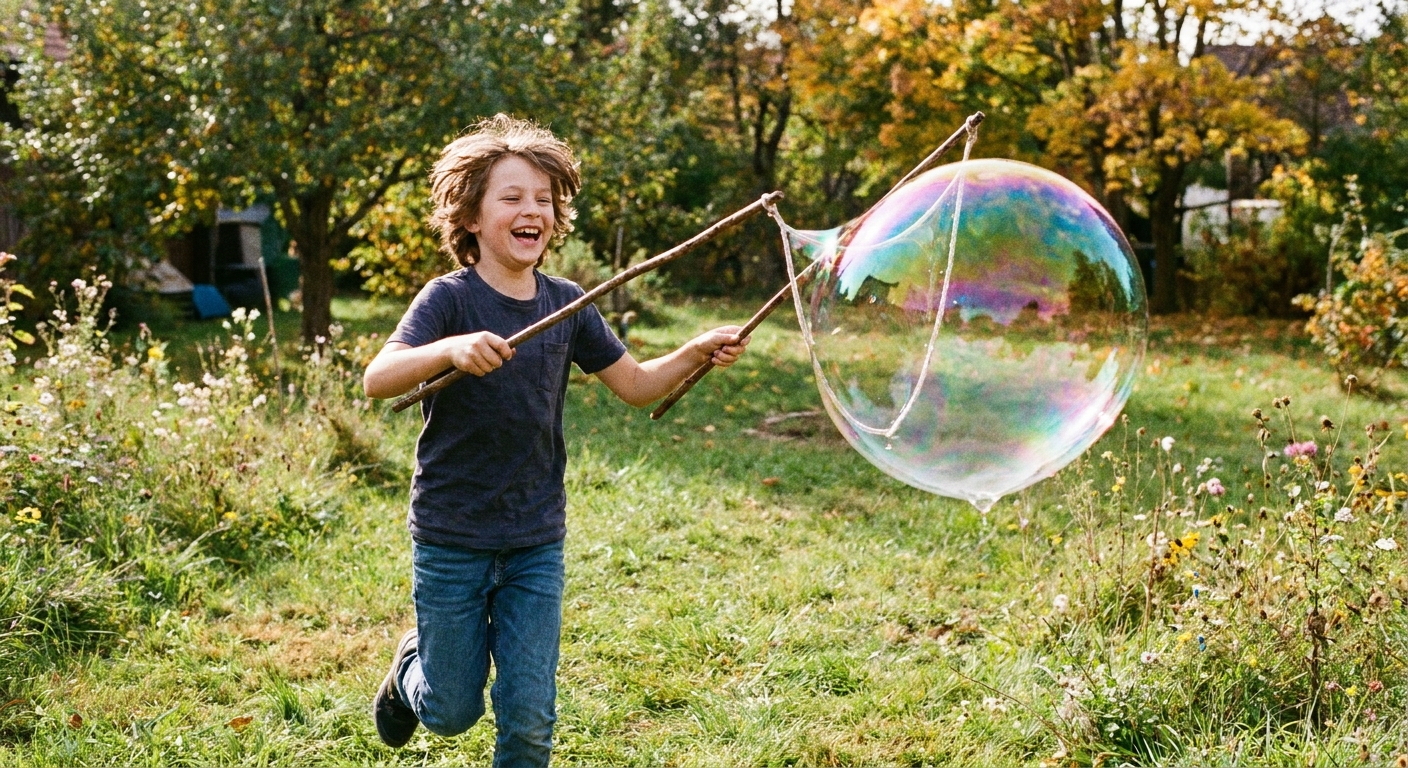
If you have a 6 to 10 year old who wants “the giant ones,” try this slightly richer mix and a simple string wand. My 8 year old calls these “dragon bubbles.”
Big-bubble solution
- 8 cups water
- 1 cup liquid dish soap
- 3 tablespoons glycerin
Rest overnight for best results.
Easy big-bubble wand
- Two wooden dowels or sturdy sticks
- Cotton string
- Optional: a small washer or nut as a weight
- Cut two pieces of string: one long (about 4 feet) and one shorter (about 2 feet).
- Tie the long string to both sticks to create a big loop.
- Tie the shorter string between the sticks near the bottom to act as a “handle stop.”
- If using a washer, tie it to the bottom of the long loop so it hangs and helps open the wand.
- Dip the string loop into solution, lift slowly, then walk backward or let a light breeze pull a giant bubble off the loop. A gentle breeze is perfect. Strong wind will shred the film.
Storage and how long it lasts
Store leftover bubble solution in a covered container at room temperature or in the fridge. It usually stays great for at least a week, and often longer, as long as it stays relatively clean. If it looks grimy from grass or dirt, strain it through a fine mesh sieve and let it rest again.
If you used sugar or corn syrup, be a little pickier about leftovers. Discard any batch that smells off, grows mold, or turns cloudy or slimy.
Quick FAQ
Do I have to use glycerin?
No. Glycerin is just one of the most reliable ways to get stronger, longer-lasting bubbles at home. The no-glycerin backup is fun, just a bit more “pop-happy.”
What glycerin should I buy?
Plain vegetable glycerin (often labeled USP) is easy to find online or in many pharmacies near skincare items. It is also sometimes in the baking or soapmaking aisle. You only need a small amount per batch.
Why did my bubbles work yesterday but not today?
Weather matters a lot. Dry heat and wind make bubbles pop quickly. Try again in the morning or evening, move to a shaded spot, or use distilled water if your tap water is hard.
Can I use hand soap instead of dish soap?
You can, but it is usually less consistent. Dish soap is designed to cut grease and tends to create a more stable bubble film.